
A social casino is an online platform that offers casino-style games using virtual currency instead of real money. Players can enjoy games like slots, poker, and blackjack for entertainment, without real-money wagering or cash payouts.
In social casinos, players play games such as slots, poker, blackjack, and bingo using virtual coins. For instance, a player can spin a virtual slot machine, earn coins, and play without risking their money.
The social casino market is also growing fast. It was valued at more than $8.5 billion in 2024 and is expected to reach $14.3 billion by 2030.
This growth is attracting both players and operators. While players get easy access to casino-style entertainment, operators can use virtual currencies, social features, and in-game purchases to generate revenue.
So, what is a social casino, how does it work, and how do social casinos make money? This guide explains the social casino meaning, the games on offer, and how it differs from real-money casinos.
What Is a Social Casino? Meaning & Key Features
A social casino is an online platform or mobile app where players enjoy casino-style games using virtual currency instead of real money. Players can play slots, poker, blackjack, bingo, and other Casino Games without placing cash bets.
The social gaming part adds more than just games. Players can connect with friends, join groups, send virtual gifts, compete on leaderboards, and take part in tournaments. These features make the experience more interactive and give players more reasons to return.
In simple terms, the social casino meaning comes from social gaming: playing online games while interacting with other players. Social casinos use this idea to make traditional casino-style games feel more like a shared entertainment experience.
A game is usually considered a social casino when it has these key features:
- Virtual currency: Players use coins, chips, or credits to play.
- No cash withdrawal: Standard virtual currency cannot be exchanged for real money.
- Casino-style games: The platform offers games based on traditional casino formats.
- Freemium access: Players can start for free and receive virtual currency through gameplay, bonuses, or daily rewards. They may also buy more virtual currency.
Social casinos also focus on engagement. Features such as leaderboards, tournaments, gifts, and friend lists add a social element to the gaming experience.
45–54-year-olds make up the largest group of mobile casino-app players in the US. A typical session lasts around 17 minutes a day. The average is close for both women and men, at 17.8 minutes and 17.2 minutes, respectively.
Time spent also differs by region. Players in Europe, Asia, Africa, and Oceania tend to spend more time on social casino games than players in the US. This suggests that social casino gaming is not limited to one type of audience or market.
Social Casino vs. Online Gambling vs. Traditional Gambling
At first glance, a social casino can look a lot like an online gambling site. The main difference comes down to money. In a standard social casino, players do not bet cash or play for cash prizes. Instead, they use virtual coins to play games such as slots, poker, or blackjack. These coins have no cash value and cannot be withdrawn.
This is why social casino games are generally not classed as gambling in many markets. That said, the rules are not the same everywhere. Local laws can vary based on the country, the type of currency used, and whether the platform offers any form of cash or prize redemption.
For example, Australia’s Australian Communications and Media Authority (ACMA) states that social casino-style games with no option to win real money are not regulated under the Interactive Gambling Act.
The UK Gambling Commission (UKGC) also states that games offering no prize with a cash value are not subject to gambling regulation.
Further, traditional or land-based casinos take place at a physical venue. Players visit the venue in person and use cash, casino chips, cards or other accepted payment methods for gambling.
The key difference is simple: online gambling involves real-money stakes and potential cash winnings, while a standard social casino focuses on entertainment using virtual currency.
Social Casino vs Online Gambling: Comparison Table
How Do Social Casinos Work?
The basic idea behind a social casino is quite simple. A player signs up, gets a set of virtual coins, and can start playing right away. These coins can be used for games like slots, poker, blackjack, and other casino-style titles.
Once the coins run out, players have a few ways to get more. They may receive free coins through daily rewards or other activities, or choose to buy another coin package. The important point is that these virtual coins have no cash value in a standard social casino. Players cannot withdraw them or turn them into real money.
The Virtual Currency System
Virtual currency works like a substitute for real-money wagers during gameplay. However, it has no cash value and cannot be withdrawn.
- Standard or free coins: Used for regular gameplay. Players can earn them through rewards or buy more.
- Premium or VIP currency: Used to unlock special features, higher-value game experiences, or VIP levels.
- Event-based currency: Limited-time coins linked to seasonal events, promotions, or special campaigns.
The exact currency system can vary between platforms.
The Player Journey
Most social casinos follow a simple player journey:
1. Sign Up: Players create an account using email, phone, or social login.
2. Starter Balance: New players receive free virtual coins.
3. Play: Players use their coins across available casino-style games.
4. Earn or Buy More: Players can earn coins through daily bonuses, missions, ads, and other rewards. They may also purchase additional coins.
Core Social Features
The social side is a big part of what makes these platforms different. Players can invite friends, compare scores on leaderboards, send virtual gifts, join clubs, or enter tournaments. Some social casinos also let players chat with others while they play.
These features give players more reasons to stick around. They can also bring players back to the platform more often. For operators, that can mean longer sessions and better player retention over time.
What Are Social Casino Games?
Social casino games are casino-style games built for free-to-play entertainment. They use virtual coins instead of real-money bets. The game types are similar to those found in traditional casinos, but the gameplay is often faster and more casual.
Slots
Slots are the most common type of social casino game. They range from simple 3-reel slots to modern cluster and Megaways-style games. Many include bonus rounds, free spins, jackpots, and themed features. Themes can cover everything from adventure and fantasy to movies and popular culture.
Table Games (Blackjack, Roulette)
Social casinos also offer games such as blackjack and roulette. The rules are often simplified for easy play. Rounds can also be faster than their real-money versions. This makes them suitable for short gaming sessions.
Poker & Multiplayer Card Games
Poker is a major part of social casino gaming. Zynga Poker is one of the best-known examples. Players can compete against friends or other users in head-to-head games. Many platforms also offer multiplayer tables and tournaments. This creates a stronger social element than single-player casino games.
Bingo & Casual/Crash-Style Games
Social bingo often uses room-based gameplay. Players join rooms, collect numbers, and compete for virtual rewards. Casual and crash-style games are also becoming more common. These can include plane or multiplier-style formats, where players watch a multiplier rise and decide when to stop. Their simple rules and quick rounds make them a natural fit for social casino platforms.
Social Casino vs. Sweepstakes Casino vs. Real-Money Casino
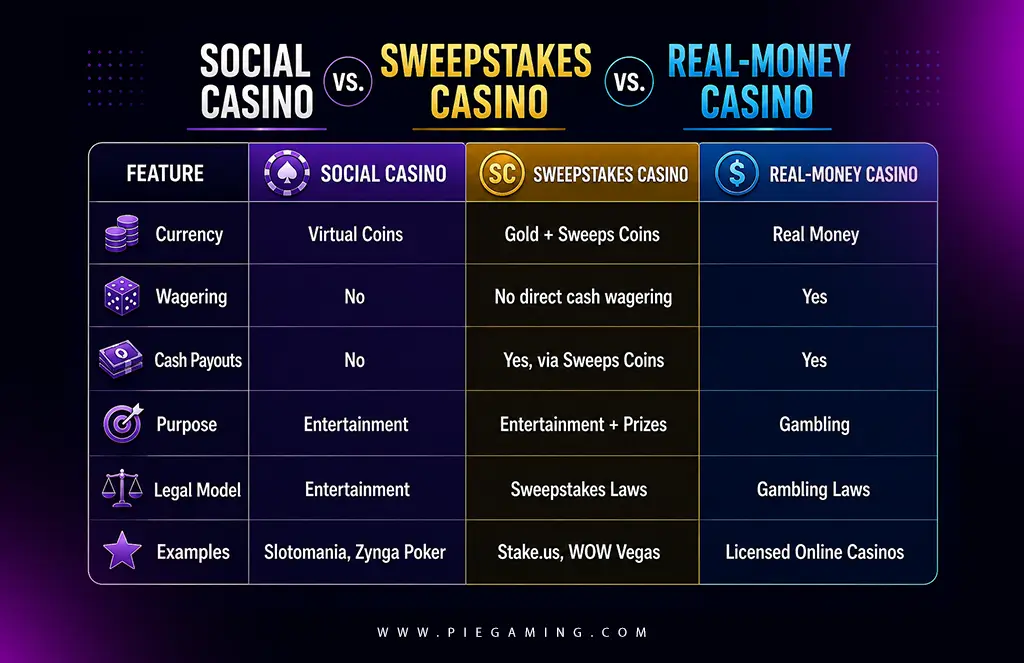
Social Casino vs. Sweepstakes Casino vs. Real-Money Casino
The difference between these three models matters because they use different currencies, payout systems, and legal frameworks. Sweepstakes casinos have also become a major part of the social casino space. This means people searching for social casinos may quickly come across sweepstakes platforms.
The legal picture is changing fast. California banned online sweepstakes games from January 1, 2026, under Assembly Bill 831 (AB 831). The law targets platforms that use a dual-currency system and offer cash or cash-equivalent prizes. New York also banned online sweepstakes games in December 2025. The law covers dual-currency platforms that allow players to win cash or cash-equivalent prizes.
For players and operators, the main differences are simple:
The key point is that not every social casino is a sweepstakes casino. A standard social casino uses non-redeemable virtual currency. A Sweepstakes Casino adds a redeemable currency. A real-money casino uses actual money for wagers and winnings.
How Do Social Casinos Make Money?
Social casinos are usually free to join and play. So, how do social casinos make money? Most revenue comes from optional purchases, advertising, subscriptions, and special events. Players can still use the platform without spending money.
In-App Purchases
In-app purchases are a major revenue source. Players can buy extra coins or chips when their free balance runs low. Operators often offer different packages. Larger bundles may provide more virtual currency for the same amount spent.
However, only a small share of players pay. EKG market research estimates that around 12% of users in the sweepstakes and social-adjacent market make purchases. This means much of the revenue comes from a relatively small group of paying players.
Advertising
Advertising allows operators to earn revenue from non-paying players. Common formats include:
- Rewarded videos: Players watch an ad in return for virtual currency.
- Banner ads: Ads appear between gaming sessions.
- Video ads: Short ads play after game rounds.
Rewarded videos are especially useful because players receive something in return for watching Liftoff and GameRefinery analyzed 83 billion ad impressions and 12 million installs in the social casino category, showing the scale of mobile advertising in this market.
Subscriptions and VIP Programs
Some social casinos offer paid memberships for players who want a few extra perks. These may include more coins each day, an ad-free experience, access to private rooms, or other VIP benefits. For operators, a subscription model can bring in steady monthly revenue instead of relying only on occasional coin purchases.
Brand Partnerships and Event-Based Spending
Partnerships can give social casinos another way to make money. Platforms may work with brands, celebrities, or other IP owners to create themed games and special content.
Limited-time events can also drive activity. A seasonal tournament, a new leaderboard, or a milestone challenge gives players a reason to log in and play. Because these events are only available for a short time, they can also increase activity and spending while they are live.
Challenges Social Casino Operators Face
Running a social casino platform isn’t that easy. Here are the challenges which operators face.
Player retention drops sharply after the first month
One of the challenges operators face is keeping newly acquired players active even after their first month. Operators must give players a reason to come back. The reason could be in the form of daily rewards, missions, new content, tournaments, personalized offers, progression systems, etc. So, if a large chunk of players continues leaving early, operators will have to spend more to replace them.
Rising content/multiplayer development costs
Players should have a variety of entertainment options as they can’t rely on the same game experience. Thus, operators must introduce new games, features, themes, events, challenges, and reward mechanics to maintain engagement.
Low payer conversion
Social casinos have plenty of players who never make a purchase. This creates a monetization challenge for operators. Therefore, operators need to provide enough free gameplay to attract and retain users while giving them reasons to purchase virtual currency and premium features.
Are Social Casinos Legal? Licensing and Regulation
Social casinos do not follow the same rules as real-money gambling sites. The reason is simple: players are not putting cash at risk or withdrawing gambling winnings. Even so, the rules can change from one market to another. The type of social casino also matters. Platforms that offer redeemable prizes, such as sweepstakes casinos, usually face closer regulatory attention.
Why Most Social Casinos Don’t Need a Gambling License
A standard social casino generally does not need a gambling license when it uses virtual coins that have no cash value. In Australia, for example, the Australian Communications and Media Authority (ACMA) says social casino-style games that do not allow players to win real money are not regulated under the Interactive Gambling Act.
The same principle applies in the UK. Games that do not offer prizes with cash value generally fall outside gambling regulation. This can reduce the licensing cost and time needed to enter a market compared with a real-money casino.
However, operators still need to consider other rules. For example, the UK’s Information Commissioner’s Office (ICO) has a Children’s Code with 15 standards for online services likely to be accessed by children. These standards cover areas such as age assurance, privacy, data sharing, profiling, parental controls, and default settings.
This makes data protection and age-appropriate design important, even when a social casino is not classified as gambling.
Social Casino Regulation by Region
For operators, the key point is simple: not needing a gambling license does not mean having no compliance obligations. The currency model, prizes, marketing, player data, and target markets all need to be reviewed before launching.
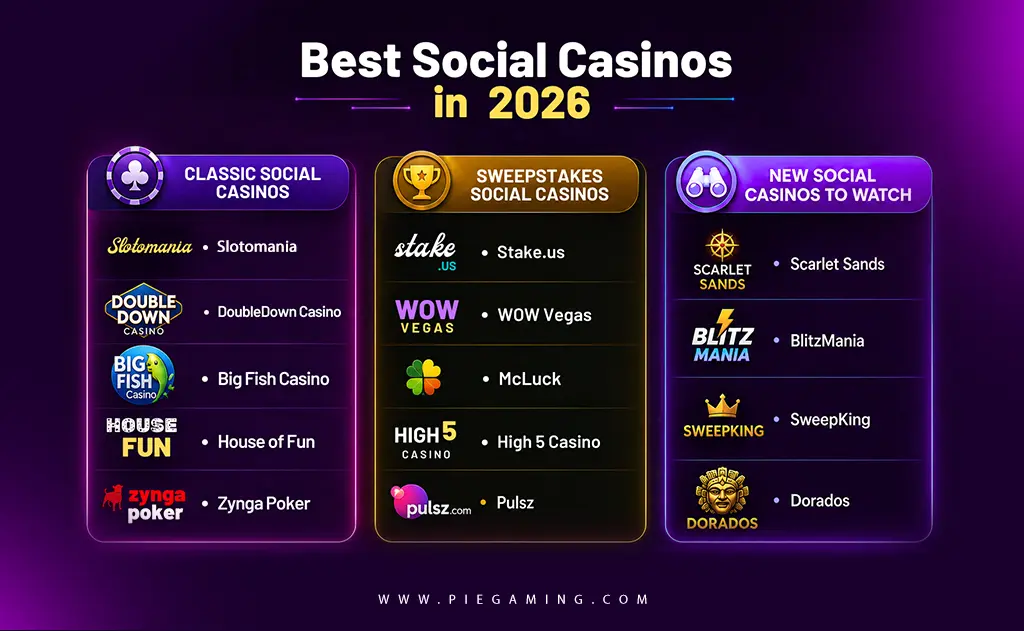
Best social casino in 2026
What Should Operators Look for Before Launching a Social Casino Vertical?
Launching a social casino requires more than choosing games and setting up a website. Operators should review the legal model, currency system, revenue plan, player safety, and technology before going live. Rules can also change by market, so the business model should be reviewed for each target region.
Check the Target Jurisdiction
Start with a legal review of every target market. Confirm how local laws treat virtual currency and no-cash-out games. Do not assume that rules for one country or state apply elsewhere.
Choose the Right Currency Model
Operators must decide between a single-currency social casino and a dual-currency sweepstakes model. A single-currency model uses non-redeemable virtual coins. A sweepstakes model adds a redeemable currency and brings more compliance requirements.
Plan the Monetization Mix
Decide how the platform will generate revenue. Common options include in-app purchases, advertising, and subscriptions. A mix of these models can help reduce reliance on one revenue source.
Add Responsible-Play Features
Player safety should be part of the platform from day one. Useful tools include age gates, spending controls, session limits, and cooldown options. These features can help players manage their activity and support a safer gaming experience. Current gaming rules in some markets also place greater focus on age verification and user safety.
Evaluate the Technology and Games
Choose an online casino software platform, such as a white label casino software solution, that performs well on mobile devices and supports a wide range of games. Look for strong social features, smooth gameplay, reliable payment systems, and easy integration with game providers . The platform should also be scalable as the player base grows.
Conclusion
Social casinos offer operators a way to enter the casino entertainment market without using the same model as a real-money casino. But the right setup matters. Operators need to choose the right currency model, understand local rules, build a clear revenue strategy, and focus on player safety. For businesses looking to start an online casino, social casino platforms can provide a lower-risk entry point into the industry.
A strong technology platform can make this process easier. PieGaming provides scalable social casino software, turnkey casino software, game integrations, and player engagement tools to help operators build and launch social casino platforms.

Contact Us
FAQs
-
How does a social casino work?
Players get free virtual coins to play casino-style games when they sign up. They can earn or buy more coins, but standard coins cannot be cashed out. These coins are generally used for entertainment. With these coins, players can play games like slots, roulette, baccarat, blackjack, and poker.
-
What games are available in a social casino?
Social casinos offer a wide range of casino-style games, which include slots, blackjack, roulette, poker, bingo, and crash-style games. Some platforms also offer variations of these games, like tournaments, challenges, or interactive features.
-
Is a social casino considered gambling?
Usually, no. Standard social casinos do not involve real-money wagering or cash prizes. Players use virtual currency that doesn't have any cash value and can't be withdrawn. Rules can vary by jurisdiction and business model.
-
What is the difference between a social casino and an online casino?
A social casino uses non-redeemable virtual currency for entertainment. An online casino uses real money for wagers and allows eligible players to withdraw winnings. In short, social casinos focus more on free-to-play entertainment and virtual rewards, whereas real-money online casinos involve monetary wagers and potentially withdrawable winnings.
-
How do social casinos make money?
Social casinos mainly earn money through in-app purchases, advertising, subscriptions, VIP programs, and brand partnerships. This model allows players to access games for free, while giving them the option to purchase additional virtual currency or premium features.
-
Why Do People Choose Social Casinos Over Real-Money Play?
Players choose social casinos as they offer casino-style entertainment without wagering real money. Players also enjoy free gameplay, social features, rewards, and lower financial risk. They can play using virtual currency, explore various games, and participate in bonuses and challenges.

Jaya Swaroop has been covering iGaming and betting technology since 2019, with a specialization in online casino platforms, sportsbook solutions, and licensing frameworks. Her work involves analyzing platform capabilities and evaluating cost structures, compliance requirements, payment integrations, market strategies, and regulatory updates that impact operators entering or scaling in the iGaming space. With a background in B2B marketing and content strategy, she has contributed to SEO-led growth and demand generation initiatives for global businesses. Jaya holds a Bachelor’s degree in Science (Chemistry & Mathematics) and is certified in content writing, email marketing (HubSpot), project management, and Google Analytics.

The best online casino slot providers in 2026 are Pragmatic Play, Evolution Group Studios, Play’n GO, Hacksaw Gaming, Relax Gaming, Games Global, Playtech, Push Gaming, Yggdrasil and Blueprint Gaming. Operators should compare them on six criteria: licensing and certification, RTP range, volatility, market fit, integration and commercial terms.
Casino gamification refers to the inclusion of goals, levels, rewards, and other video game elements around the core gambling area. Learn how operators can use gamification in igaming to create more engaging player journeys while managing costs.
Stake.Us, PlayFame, McLuck, MegaBonanza and Zonko are social casino platforms that are free-to-play casino games using virtual coins. These platforms offer hundreds of slots, tables, and instant-win games with daily free coins, tournaments, and bonus features.
Casino CRM strategies help operators to personalize campaigns, improve player retention, reduce churn rate, and maximize player lifetime value.
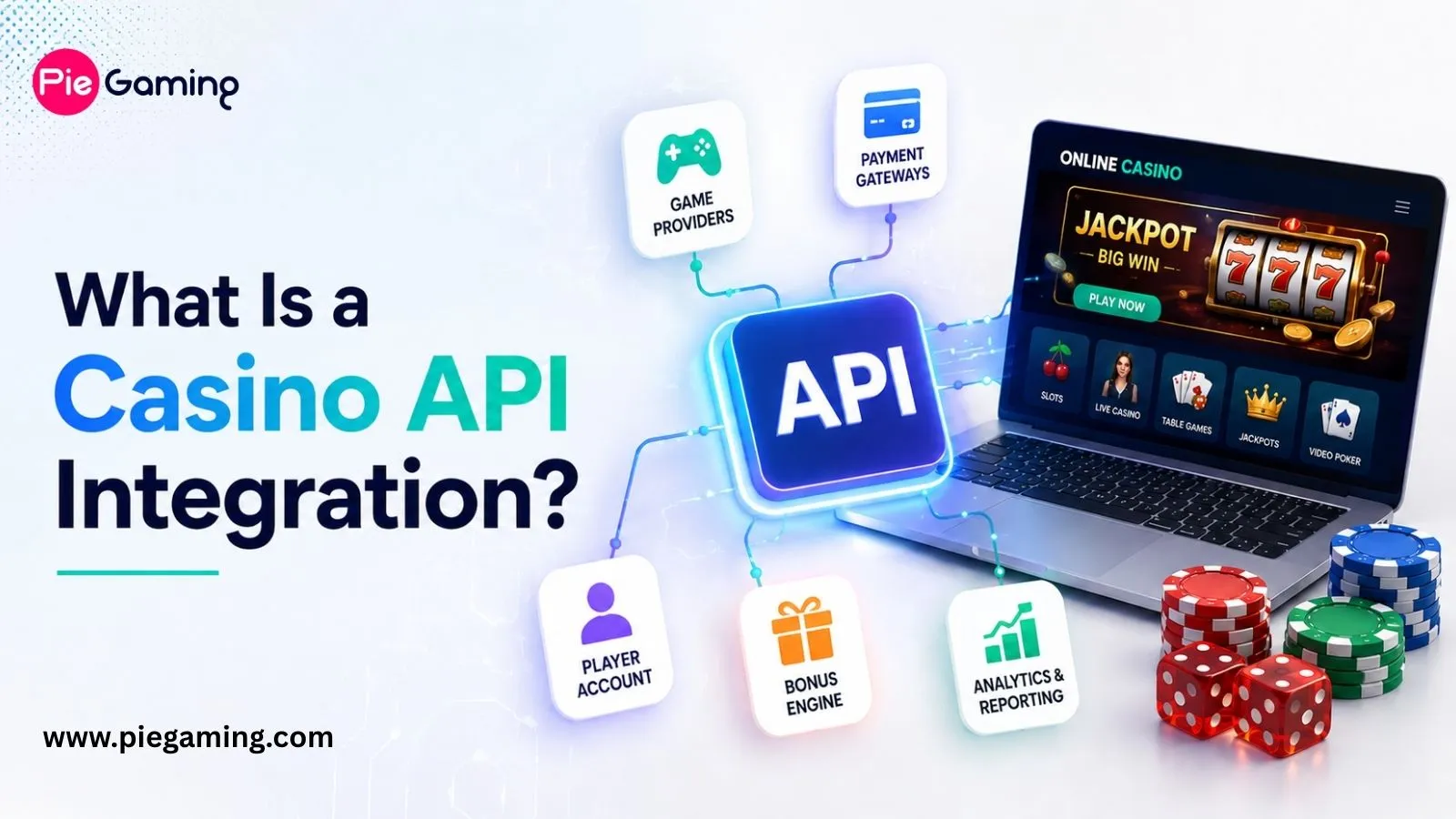
A casino API integration is a software solution that connects your platform with games, payment gateways, wallets, KYC tools and other third-party solutions. It allows data to be exchanged between systems in real-time. This way you can launch quicker, automate tasks, and provide a smooth playable experience.
House Edge is the mathematical advantage built into online casino games and all other forms of gambling. It shapes the odds, influences your winnings and losses, and constitutes the cornerstone of any online casino or sportsbook operator’s overall financial strategy.
The Hi-Lo casino game is a simple card game where players predict whether the next card will be higher, lower, or equal to the current card. This guide explains how Hi-Lo works, its rules, betting options, payouts, gameplay, and strategies players can use when making predictions.


See you in your inbox soon!

Stay ahead of the game. Subscribe for exclusive content, updates, and insiders!