
Malta pays attention to the credibility of the regulatory framework and to access regulated markets, which is more conducive to long-term growth and industry reputation. However, Curaçao places a strong emphasis on speed and affordability, making it a good choice for startups and businesses focused on cryptocurrencies that are keen to establish a presence rapidly and at a lower cost. If you are constructing a major operation, select Malta. Pick Curaçao when you are just getting started and have to get your product to market quickly.
Offshore gambling operators control 74% of the $90B U.S online betting market, growing 64% year-over-year while licensed platforms capture just 26%. This gap exists because many operators choose offshore licenses to reduce costs and move faster into the market.
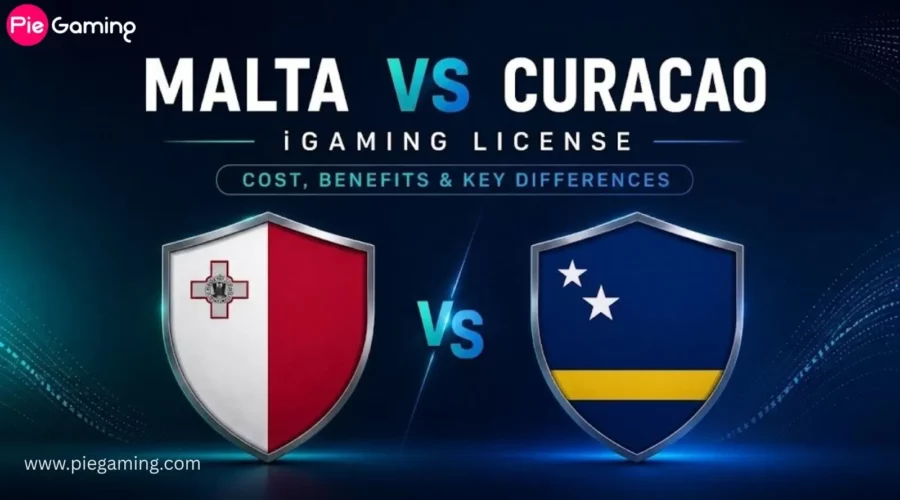
When it comes to which jurisdiction to pick, Malta and Curacao consistently come up as the top choices. But they are designed for different kinds of businesses.
The Malta Gaming Authority (MGA) license builds trust and gives you access to regulated markets. The downside is that the reputation comes with higher costs and stricter compliance.
The Curacao license takes a different approach: lower costs, faster approval, and simpler requirements. It’s built for operators who want to get up and running without overhead.
The choice depends on what your business needs. This guide walks through licensing costs, application requirements, and the real differences between Malta and Curaçao so you can pick the right path for your online casino software or sportsbook.
What is a Malta iGaming License?
Malta iGaming License Explained
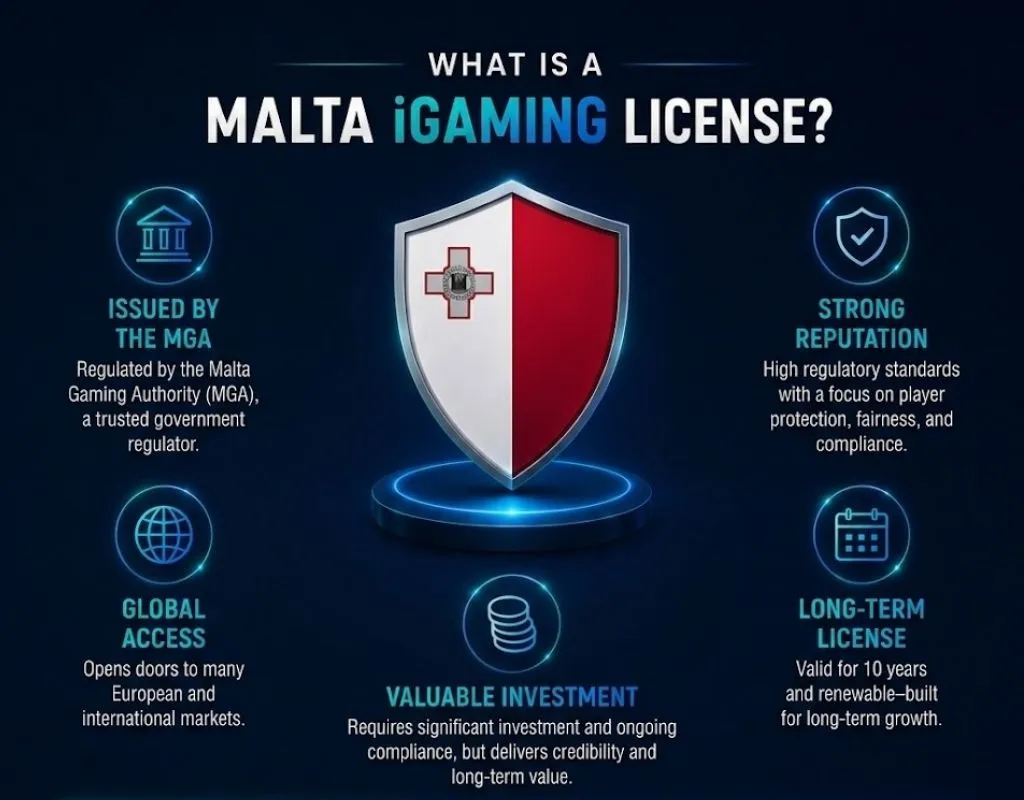
The Malta Gaming Authority (MGA) is the government body that issues iGaming licenses in Malta. Their licenses enable you to operate online casinos, sports betting, poker rooms, and other gaming products in approved regions legally.
MGA’s license has gained significant recognition in the industry. It is renowned for its stringent regulations, robust player safeguards, and rigorous compliance measures. However, once licensed, you will have to adhere to standards in terms of responsible gambling, anti-money laundering, financial transparency, and data security.
The Malta license offers access to numerous European and international markets. However, it is not guaranteed to be effective in all locations. Germany and the Netherlands, for instance, need to obtain a license or extra approvals in addition to the MGA license.
The license is issued and valid for 10 years and may be renewed, thus designed for long-range thinking operators. The downside is that it takes a lot of applications, compliance efforts, and finances to obtain and maintain it.
A Malta license is essentially a worthwhile investment for operators looking to establish trust and gain access to regulated markets.
What is a Curacao iGaming License?
Curacao iGaming License Explained
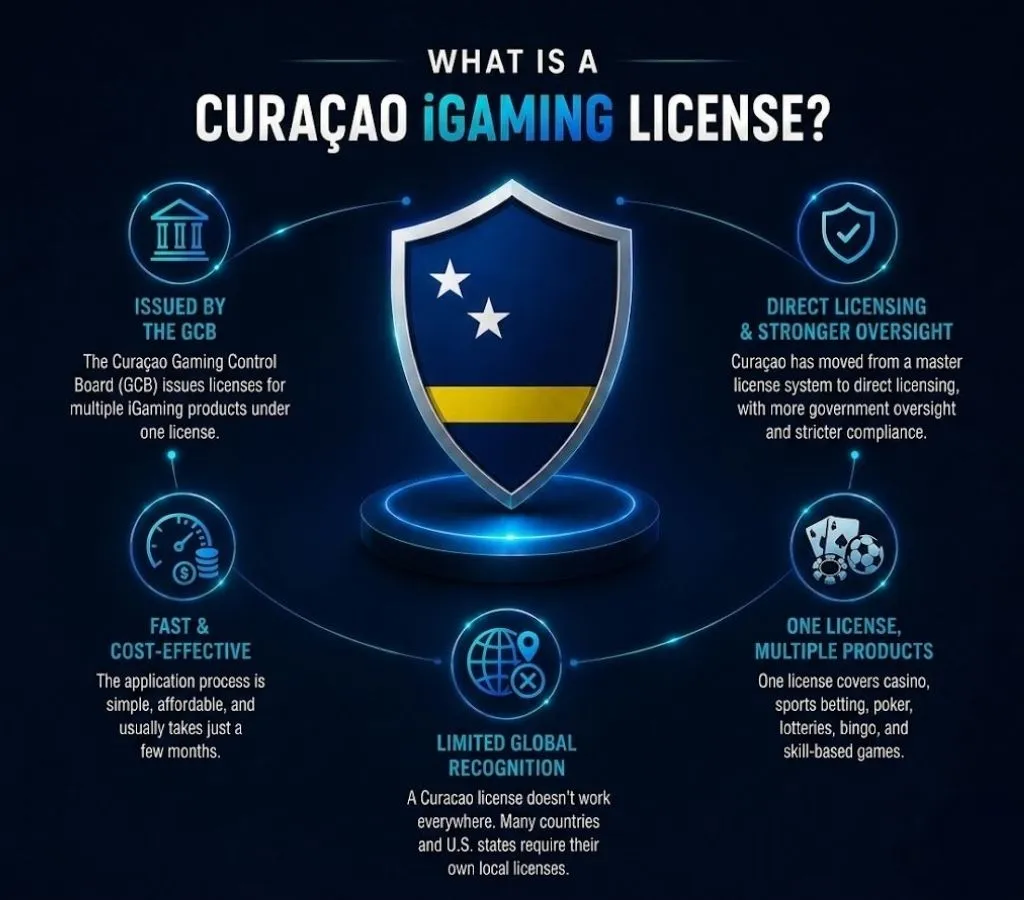
The Curacao Gaming Control Board (GCB) issues iGaming licenses that let you legally run online casinos, sports betting, poker, lotteries, bingo, and skill-based games. You get everything under a single license instead of applying separately for each product type.
Curaçao used to work through a master license system, where private license holders issued sublicenses to operators. That’s changed. The jurisdiction has moved toward direct licensing, which means the government has more oversight and operators face stricter compliance rules. It’s a more legitimate setup than it used to be.
The big appeal of a Curaçao license is speed and cost. The application process is simpler than in places like Malta, doesn’t require as much upfront money, and usually takes just a few months. That’s why startups, crypto casinos, and new sportsbooks often choose them. You can get up and run faster without spending as much time.
Because one license covers multiple gambling types, you don’t juggle separate applications for casino, sports, or poker operations. This cuts down on both paperwork and costs.
The downside is that a Curaçao license doesn’t automatically work everywhere. The UK, Germany, the Netherlands, and several U.S. states require their own local licenses. If those markets matter to your business, you’ll need additional approval.
If you want to enter the market quickly and keep costs down, a Curaçao license is a practical choice.
Read Blog – How to Secure a Gaming License?
Malta Vs Curacao iGaming License: Quick Comparison
Malta and Curacao are both popular choices for iGaming licenses, but they differ significantly in cost, regulatory requirements, market perception, and how much flexibility you get. Here’s a detailed breakdown of what matters the most.
|
What Matters |
Malta |
Curaçao |
| Who Runs It | Malta Gaming Authority (MGA) | Curaçao Gaming Control Board (GCB) |
| Reputation | One of the most trusted licenses globally | Widely recognized, but less prestigious than Malta |
| Who Uses It | Established operators targeting regulated markets | Startups, crypto casinos, and businesses seeking faster market entry |
| License Type | Single B2C/B2B framework introduced in 2018 | Single license covering multiple gaming verticals |
| Application Process | Detailed due diligence, business plan review, and system audits | Simpler application with fewer entry barriers |
| How Long to Approve | Typically, 4–6 months or longer | Often 1–3 months, depending on business setup |
| First-Year Costs | Usually €35,000–€50,000+ including compliance and capital requirements | Typically, €15,000–€30,000 depending on operational setup |
| Compliance Work | Extensive AML, responsible gaming, reporting, and auditing obligations | Lower compliance burden, though standards have increased under recent reforms |
| Financial Requirements | Higher financial and operational requirements | Generally lower than Malta |
| Player Trust | Very high due to strict regulatory oversight | Moderate to high, depending on brand reputation |
| Banking & Payments | Easier access to reputable banks and iGaming payment providers | May face additional scrutiny from some financial institutions |
| Access to European Markets | Strong credibility across Europe, though some countries require local licenses | Limited recognition in highly regulated European markets |
| Crypto Gambling | Allowed under specific regulatory frameworks and approvals | Commonly used by crypto casinos and blockchain-based gambling platforms |
| License Duration | 10 years, renewable upon compliance review | Typically issued under current Curaçao framework and subject to ongoing compliance requirements |
| Audits | Regular compliance reviews, reporting, and technical audits | Fewer audits but increasing regulatory oversight under recent reforms |
| Best For | Operators focused on long-term growth, credibility, and regulated markets | Businesses prioritizing affordability, speed, and operational flexibility |
Malta Vs Curacao: Detailed Comparison
Malta is built for regulated markets. Curaçao appeals to startups and crypto operators. Here’s how they differ.
Licensing Cost
Malta requires a bigger upfront investment. First-year costs start at €5,000 plus the fixed annual fee, not the higher ranges in the draft:
- Application fee: €5,000
- Annual license fee: €25,000 for Type 1–3 services, or €10,000 for Type 4 only
- Gaming tax and compliance contribution: additional amounts apply
- Legal structuring, technical audits, and AML software: extra professional/compliance costs
Curaçao typically costs more than the old low-cost estimates under the new regime:
- Application fee: EUR 4,592
- Annual B2C fee: EUR 47,450
- Annual B2B supervisory fee: EUR 24,490
- Additional fees may apply for UBOs / qualifying interest holders
Both may still add payment gateway setup and compliance software costs, but those are separate operational expenses rather than core license fees.
Approval Timeline & Licensing Process
The MGA takes four to six months or longer. They review every shareholder and director with a 25%+ stake and require detailed business plans, financial projections covering 12–24 months, third-party software audits, and background checks on key personnel.
Curaçao’s Gaming Control Board moves faster. Most applications are completed in one to three months with basic identity verification, business assessment, and compliance documentation review.
Taxation Structure
Malta’s corporate tax rate is 35%, but shareholder refund mechanisms reduce effective rates to 6%–15%. The jurisdiction also provides double taxation relief for EU residents and access to EU tax treaty networks, making it attractive for established EU operators.
Curaçao applies flat-rate gaming taxes with no corporate income tax. This appeals to startups avoiding complex structures. Crypto casinos benefit from flexible digital asset taxation, avoiding Malta’s stricter crypto audits.
Compliance & Regulatory Environment
Malta operates under strict European standards. Licensed operators must implement:
- Monthly KYC verification
- Quarterly suspicious transaction reporting to Financial Intelligence Units
- Mandatory responsible gambling limits (deposit caps, loss limits)
- Customer cooling-off periods
- Regular technical compliance audits
- Detailed game fairness certifications
- Dedicated compliance manager positions
Curaçao has strengthened its framework in recent years, but compliance remains lighter. The jurisdiction requires annual license renewals, basic AML procedures, and responsible gambling disclosures without Malta’s strict enforcement.
Banking & Payment Gateway Support
Malta-licensed operators integrate with major payment networks more easily. You work directly with Visa and Mastercard through established processors like Worldline and Global Collect.
Companies like LHV Bank and Paysafe actively look for MGA licensees as they are considered to be low- risk partners. Onboarding on Skrill and Neteller tends to be a quicker process than in months, taking on the course of weeks.
The payment situation in Curaçao is more complicated. The process from beginning to end for PSPs can take 60–90 days, and many large payment service providers may need further underwriting and risk assessment before they approve a PSP.
Cryptocurrency payment processors such as BTCPay, Coinbase Commerce, and Crypto.com Pay easily accept Curaçao licenses, enabling crypto payment integration to be both practical and accessible for these processors.
Crypto Casino Compatibility
Curaçao has a clear advantage for crypto businesses. Operators can accept Bitcoin, Ethereum, USDT, and stablecoins with minimal additional compliance. Web3 gaming platforms and NFT-integrated casinos thrive under Curaçao licensing without extra regulatory burden.
Malta permits crypto but requires separate digital asset compliance audits, transaction monitoring for crypto wallets, and enhanced AML procedures for decentralized finance connections. This adds €10,000–€20,000 to your first-year costs, making Curaçao the most practical choice for crypto-focused operations.
Malta vs Curaçao: Pros & Cons
While both Malta and Curaçao offer viable jurisdictions for online gambling ventures, they have their pros and cons. The best option is determined by your budget, target markets, compliance ability and long term growth plans.
Malta: The Advantages
Strong Reputation
MGA is considered one of the most trusted iGaming regulators. Having an MGA license increases player trust, enhances brand credibility, and leaves a positive impression on affiliates, investors, and business partners.
Better Banking Support
Malta-licensed operators typically face fewer obstacles when opening business bank accounts or securing merchant services. Many banks and payment providers view MGA operators as lower risk because of the jurisdiction’s strict regulatory standards.
Easier Provider Partnerships
Top-tier game providers prefer working with operators licensed by established regulators. MGA licenses make it easier to integrate with top casino software solutions, sportsbook platforms, payment gateways, and affiliate networks.
EU Credibility
Although a license from an MGA does not in itself mean access to all markets in Europe, it is well regarded in the EU and EEA. This allows for growth opportunities and enhances the relationship with the regulatory authorities, the financial institutions, and commercial partners.
Malta: The Drawbacks
Expensive
Malta is one of the costlier jurisdictions for iGaming licensing. Expect to incur fees for application, annual fees, staffing for compliance, legal support, audit fees and continuing regulatory requirements. The initial investments are costing at a minimum of €50,000 for the first year.
Lengthy Approval
The MGA conducts extensive due diligence, source-of-funds reviews, business assessments, and technical evaluations. The licensing process often takes several months and requires substantial documentation.
Strict Compliance
Maintaining an MGA license means continuous AML procedures, responsible gambling measures, regulatory reporting, and periodic audits. These standards enhance credibility but increase operational complexity.
Curaçao: The Advantages
Lower Cost
Curaçao continues to be one of the least expensive licensing jurisdictions for online casinos and sportsbooks. Lower application fees, reduced compliance costs, and simplified operational requirements are attractive qualities to startups and emerging operators.
Faster Launch
The licensing process is more streamlined and less cumbersome than in Malta. Compliance documents and a defined corporate structure can often speed up the approval process to a matter of months for businesses.
Full Crypto Support
Curaçao is the preferred location for crypto casinos, blockchain gaming platforms, and Web3 gambling projects. Curaçao is a popular destination for crypto operators due to its open stance on models for digital asset-based games.
Curaçao: The Drawbacks
Lower Trust Perception
Curaçao is recognized but doesn’t carry the same industry prestige as Malta. Some players, affiliates, investors, and business partners view an MGA license as a stronger sign of regulatory oversight.
Banking Challenges
Some banks, payment service providers, and merchant processors apply stricter risk assessments to Curaçao-licensed operators. This can make account approvals and payment integrations more challenging in some cases.
Limited Market Access
A Curaçao license doesn’t open doors to highly regulated jurisdictions requiring local authorization, like the UK, Germany, the Netherlands, and many U.S. states. Operators targeting these markets need additional licenses and approvals.
Which License is Better for Startups?
Here’s the honest truth: Most startups should start in Curacao, but Malta becomes the right choice if you have serious cash and Europe is your only target. Let’s walk through what actually matters to your situation.
Go with Curacao when you:
| What You Need | What You Get |
| Want to keep costs down | Budget €30,000–€60,000 instead of Malta’s €60,000–€75,000. |
| Need to launch quickly | Get your license in 1–3 months instead of 3–6 months. |
| Don’t want license hassles | One license lets you run casinos, poker, and sportsbooks all at once. |
| Want to skip the bureaucracy | Streamlined rules mean you’re not drowning in paperwork. |
| Care about profit margins | Flat 2% tax beats Malta’s complicated 5%+ gaming tax formula. |
| Think globally | Open up Asia, Latin America, and other regions without jumping through hoops. |
Go with Malta When You Have:
| What Describes You | Why It Matters |
| Money in the bank | You’re ready to drop €60,000–€75,000+ without sweating it. |
| Europe on the brain | MGA opens every EU and EEA door right from the start. |
| Brand trust as priority | Players automatically trust Malta-licensed operators more. |
| Banking connections needed | Payment processors and banks practically require Malta. |
| In it for the long haul | You’re thinking about 5–10-year vision, not quick validation. |
Match Your Startup Type to Your License:
| Your Situation | Best License |
| Bootstrapped and testing MVP | Curaçao |
| Want to dominate Asia or LATAM | Curaçao |
| Fundraising in your near future | Curaçao now, Malta later when bigger |
| Europe is everything to you | Malta |
| Mixing crypto with your casino | Curaçao (friendlier to crypto) |
| Selling tech to other casinos | Malta (Critical Gaming Supply License route) |
Most startups win with Curaçao because you can actually get going, prove your concept works, and make real money before committing to expensive licensing. Smart operators start here, build revenue, then move to Malta when it makes financial sense.
One major exception: If you’re sitting on €100K+ and your entire strategy revolves around regulated EU markets like the UK, Germany, or Netherlands, Malta is worth every euro. You get the credibility and market access that makes expansion faster.
Wrapping Up…
Choosing between Malta and Curaçao depends on your business stage and goals. If you’re bootstrapped and want to validate your business quickly, Curaçao offers faster licensing and lower costs, letting you test the market before scaling.
Malta is ideal if you’re well-funded and focused on European markets from launch. Many successful operators start with Curaçao, build revenue, then transition to Malta when ready. The right choice aligns with your timeline, budget, and long-term vision.

FAQ's
-
Which is better, Malta or Curacao iGaming license?
There's no clear winner here. Each fits a different business profile. If speed matters (2-4 month turnaround), your budget is tight (€22,000-€30,000 in year one), and you want to explore newer markets, Curaçao is your answer. If you're already targeting Europe's regulated markets and need strong relationships with payment processors and player confidence, Malta is the path forward.
-
Is the Curacao license cheaper than the Malta license?
Absolutely. Curaçao costs significantly less to get and maintain. First-year spending sits around €30,000-€60,000, while Malta requires €60,000-€75,000 minimum. That difference comes from lower application fees (€4,592 for Curaçao), cheaper annual renewals, less complex regulatory work, and a simple 2% tax approach instead of Malta's layered fee system.
-
How long does it take to get a Malta gaming license?
Most applications get approved in 3-6 months. However, if your ownership is complicated or you're based outside the EU, budget 8-12 months instead. Malta takes time because they're thorough: checking who owns the company, confirming you can actually operate it, reviewing your written compliance strategy, and testing your software systems.
-
Is the Curacao license good for crypto casinos?
Yes. Curaçao is the better option for cryptocurrency casinos by far. The jurisdiction embraces crypto more openly than Malta does, with fewer restrictions on blockchain-based payments. The rules are flexible, compliance isn't as intensive, and it actively supports crypto-focused business models. If crypto is your thing, Curaçao is built for you.
-
Can I run a sportsbook with a Curacao license?
Yes, completely. You get one license that covers it all: casino games, sports betting, poker, even lottery products. Everything runs under a single permit. Compare that to Malta, where you'd need separate approvals for each type of gaming. Curaçao's approach is simpler and faster to implement.

Palak Madan has been writing about the iGaming industry since 2024. She focuses on helping operators and founders understand their options when launching an online casino, from choosing the right software provider to figuring out costs and compliance requirements across different markets. At PieGaming, she covers topics like white label casino solutions, platform selection, and market entry, turning complex industry information into practical guidance for people building iGaming businesses. She also keeps a close eye on licensing and regulatory changes; particularly how new rules shape the way operators enter and grow in different jurisdictions.

A GCGRA Gaming License is required to operate commercial gaming in the UAE, including online casinos and sportsbooks. Foreign operators can apply, but must meet GCGRA’s suitability, financial, compliance, and operational requirements before they can launch.
Online casino gaming is not allowed in Australia under Interactive Gambling Act 2001. But operators can still apply for an internet gaming license via specific jurisdictions like the Northern Territory, which allows them to offer gambling services legally- generally outside Australia.
Bulgaria’s iGaming license enables operators to legally provide services in the areas of online casino, betting, poker, and bingo in accordance with the regulations of the EU. Typically, a licensing process can take 60 to 90 days, and it will need to be approved by the NRA, technical certification, AML compliance, and data storage in the local area. Minimum capital requirements range from BGN 50,000 for betting operators to BGN 1.5 million for online casino operators.
To obtain the Anjouan Gaming License, applicants must collect and submit all the important documents. Learn the process of obtaining Anjouan iGaming license.
Algeria has no online casino or sports betting regulation to speak of — instead, the country enforces a near-total gambling ban rooted in civil law and Islamic principles. Yet despite the prohibition, offshore platforms continue to pull in millions of users every month, driven by high demand and a near-total absence of legal local alternatives.
A Kahnawake iGaming license is a credible and cost-effective licensing solution for online casinos and sportsbook operators. The process to obtain this license includes multiple steps, key benefits, and licensing costs.
The best jurisdiction depends on your target market. Malta suits operators who want a credible European base with strong banking. The UKGC is required for Great Britain. The Isle of Man suits B2B and platform-led operators. Curaçao is the usual low-cost route for global launches. Anjouan is typically quoted as the cheapest and fastest, but with limited banking and lower recognition.

See you in your inbox soon!

Stay ahead of the game. Subscribe for exclusive content, updates, and insiders!