
An iGaming CRM helps operators turn players’ data into targeted communication, automated journeys, and more relevant experiences. Explore this blog to learn how it works, what features matter, and how to build a smarter CRM strategy.
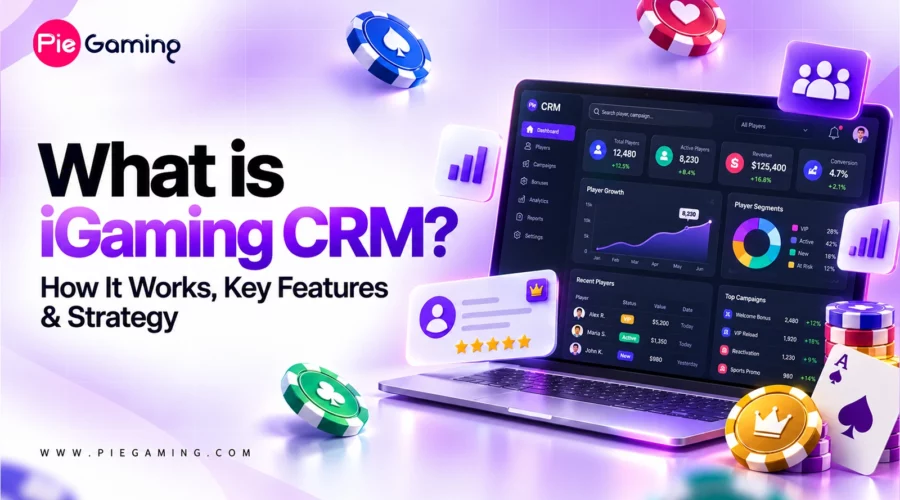
A player signs in and deposits today, stops playing after a few days, and becomes inactive. As an operator, do you know when to act or what to do in this situation?
For casino and sportsbook operators, having player data is not enough. The real challenge lies in knowing what to do with it.
Which players are becoming inactive? Who responds to promotions? Which players prefer casino games over sports betting? Which player comes in the category of VIPs?
As a player base grows, tracking this information manually becomes difficult for operators. That’s where an iGaming CRM plays a significant role. It helps operators gather player data together, identify player segments, automate communication, and deliver more relevant campaigns at the right time.
This write-up will explain what an iGaming CRM is, how it works, its features, and tools.
What Is an iGaming CRM?
iGaming CRM (customer relationship management) is a tool that helps casino and sportsbook operators collect, organize, and analyze players’ data. Unlike a generic CRM, iGaming CRM works with gaming specific activities and uses it to create player segmentation, trigger campaigns, personalize communication, and measure campaign performance.
Based on the operator’s setup, here is the type of player data an iGaming CRM can bring together:
- Registration data
- Deposit/withdrawal activity
- Game preferences
- Session/activity data
- Bonus history
- Communication history
- Player lifecycle stage
The goal is to turn these data points into actionable player journeys rather than treating every player the same.
The need for efficient player management is growing as the online gambling market develops. As per the European Gaming & Betting Association (EGBA), the online gambling market generated €123.4 billion in 2024 and is expected to reach €149.2 billion by 2029.
The overall increase in the online gambling market size is driving operators’ need to find effective ways to segment their audience, communicate with players, and manage the most prominent segments.
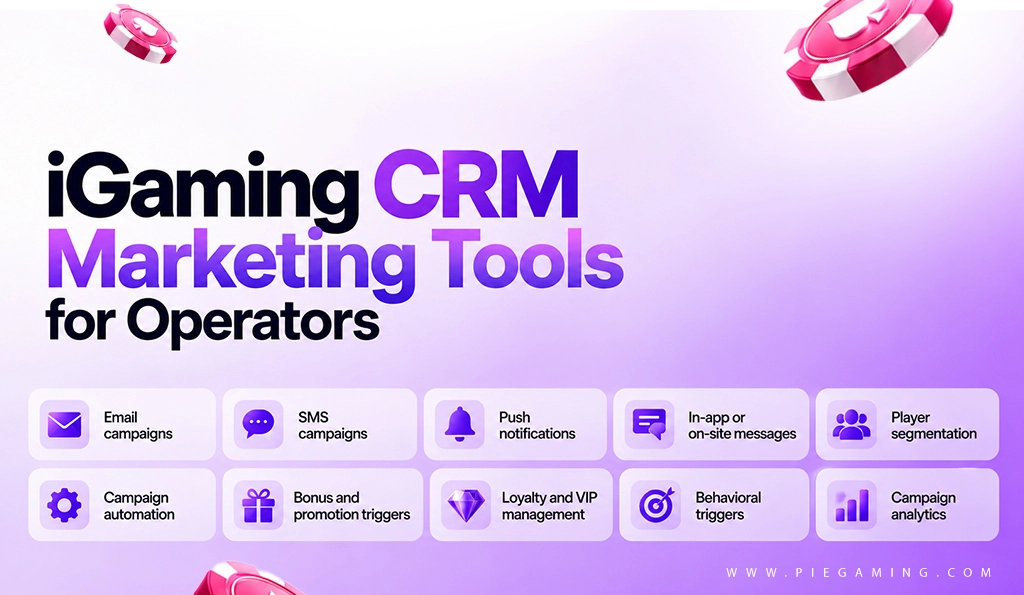
IGaming CRM marketing tools
How does iGaming CRM software work?
An iGaming CRM works by collecting player data, tracking their behavior, and triggering actions based on their activity.
New player registers → makes first deposit → plays slots → becomes inactive → CRM detects inactivity → adds the player to a reactivation segment → if no response in 48 hours → sends follow-up email → operator tracks response.
iGaming CRM vs. Generic CRM: What’s the Difference?
iGaming CRM is not the same as generic CRM used in different industries. The table below highlights the difference between both CRMs for better understanding of operators.
Key Features of a Modern iGaming CRM Operators Should Know
An outstanding CRM software is not about the range of features it offers. In fact, the key question is whether operators can use them to take action on the most relevant player data efficiently. Below are the reasons why you should invest in casino and sportsbook CRM.
Real-time Player Data & Profiles
A CRM can gather information about player activity and make this available to marketing and CRM teams, enabling a more up-to-date understanding of a player’s activity.
Segmentation and Player Profiling
Operators can group (segment) players based on factors like product preferences, activity, value, loyalty status, or lifecycle stage. Don’t run one campaign for everyone, rather you can create separate campaigns for new depositors, active players, sportsbook users, VIPs, or inactive players.
Marketing Automation
Marketing automation allows operators to run campaigns and send messages automatically based on player activity. So, whenever a player registers, makes a first deposit, or stops playing, iGaming CRM can automatically start the relevant communication.
Analytics and reporting
A CRM’s analytics explains operators how well their campaigns are performing. Useful metrics like campaign engagement, conversions, reactivations, and retention help them know what works and what doesn’t work.
Responsible gaming controls
CRM shouldn’t be used as a promotional tool. Rather it should help operators manage self-exclusion requests, track spending limits, flags concerning player behavior, etc. This helps them meet regulatory requirements of targeted jurisdictions.
Multi-Channel CRM for iGaming Operators: Reaching Players Where they Respond
A multi-channel CRM allows operators to connect with players through the channels where they are most responsive. This can be done through a single platform. This is important because different players respond differently by channels. For example, a sportsbook player may respond to a push notification before kickoff but ignore an email received that morning.
Top channels through which operators tend to communicate include email, SMS, push notification, in-site/app message, and messengers (WhatsApp, Telegram).
How do you select the right channel?
When you pick the right channel, you can connect with players at the right time. Here are the ways you can use the right channel as per the condition.
- Use push or in-app for offers that are going to expire soon, and emails for messages that can wait.
- Go with high-cost channels like SMS for VIPs or high-value players whose returning chances are higher.
- Also set fallback rules like push notification → no response in 48 hours → email follow-up.
Casino vs. Sportsbook CRM Use Cases for Operators
Casino and sportsbook operators both use CRM to understand their players’ behavior. Since both segments are different, CRM should reflect how the product is being used. The table below highlights the use cases of CRM in both casino and sportsbook software.
How To Build a Smart iGaming CRM Strategy?
No matter how scalable, effective, and robust a white label iGaming software solution you buy, without an effective CRM strategy, you won’t reap results. Whether you’re starting from scratch or upgrading your existing setup, here is a framework that can work for you.
1. Define your player segments
Don’t personalize every player at the start. Instead of creating multiple groups that are difficult to control, it is essential to start with meaningful segments. Group players by the most valuable segment, VIPs, new depositors, value, loyalty status, and risk of churn.
2. Map the player lifecycle
Define the main stages in the player’s lifetime, from registration and the first deposit to active play, reduced frequency of visits, and return to play. Just check what you will respond to each player’s journey stage to retain them.
3. Build your communication templates
Operators are required to build channel-specific templates for onboarding, loyalty, reactivation, and other recurring journeys. Don’t rely on generic promotions; keep messages tailored to the player’s context.
4. Set up your automation workflows
You need to connect every player with predefined actions, for instance:
Player registers → no deposit → onboarding journey → deposit → active-player journey
Or
Player becomes inactive → CRM identifies segment → eligible communication → response tracked
5. Integrate gamification
Gamification in casinos plays an important role in player engagement. Gamification mechanics like missions, challenges, levels, loyalty points, and tournaments can become a part of CRM journeys.
6. Measure what matters
To evaluate the success of the implemented measures, it is essential to track metrics like the customer’s lifetime value, retention rate by segments, responsible gaming indicators, and campaign attribution.
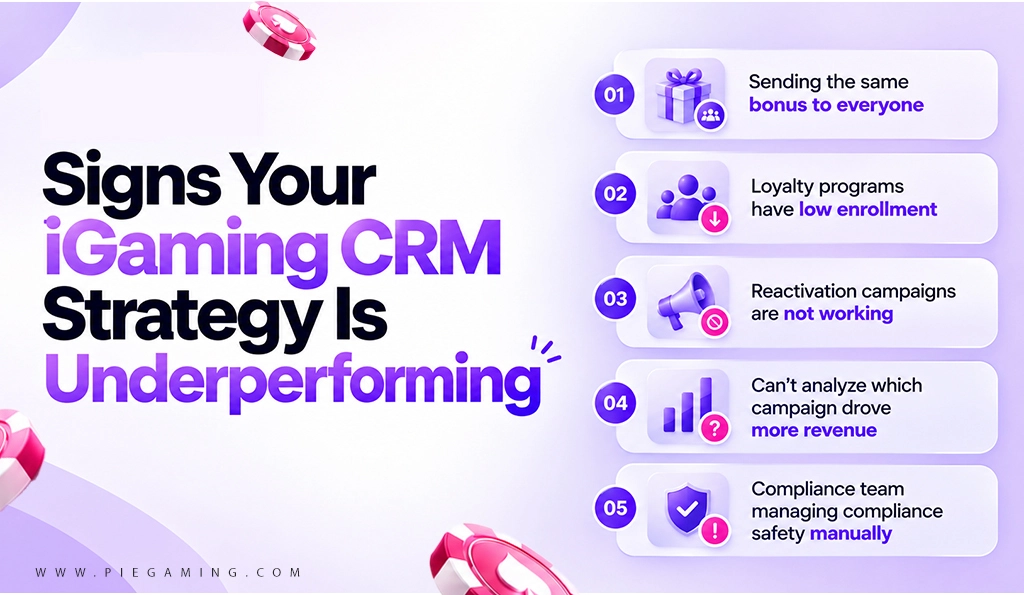
Signs Your iGaming CRM Strategy Is Underperforming
The Role of AI in Modern iGaming CRM
AI has tremendous potential in the casino and sportsbook sector. It is one of the latest additions to customer relations management and serves as an additional layer of such software. The main advantage is the ability to process thousands of pieces of client data and recognize patterns that would be almost impossible to manage manually.
1. AI-assisted player segmentation
AI technology is a valuable addition to iGaming CRM systems. It allows for better data understanding and recognition of patterns that could be undetectable by operators. With the right data, operators can easily target different player groups. The following things you can track:
- Identify at-risk players
- Timely communication for good results
- Give rewards based on individual preferences
2. Predictive churn identification
AI can easily analyze changes in player activity and behavior like fewer sessions, lower engagement, and longer gaps between visits. It also identifies players who may be at risk of becoming inactive. Operators can see these insights and create appropriate retention and re-engagement journeys.
3. Next-best-action recommendations
AI can also give recommendations based on available player data. For instance, it may help identify whether a player is showing interest in casino or sportsbook content and must receive a relevant offer for it.
4. Personalized content/offers
Operators often make mistakes by sending the same message to every player. That’s where AI comes in the role by customizing communication based on factors like player’s preference, their previous activity, and engagement patterns.
5. Campaign optimization
AI can analyze which campaigns, channels, and messages were successful with which segment of the audience. Thus, it helps the operators optimize the marketing campaigns and maximize the conversion rate.
6. Anomaly detection
Operators might not be able to see unusual changes in player behavior, but AI can do that. For instance, a sudden change in campaign response rates or unusual pattern activity can be flagged for the CRM.
7. Natural-language CRM reporting
Manually filtering multiple reports is a difficult task for operators. So, AI can help CRM teams understand player data more easily. They can just ask simple questions and get quick insights. For instance, they can ask which player groups respond best to a reactivation campaign and use the results to improve future campaigns.
Risks to Manage When Implementing an iGaming CRM
iGaming CRM plays a huge role when implemented with care. But operators need to assess the operational risks involved while implementing a CRM.
Pricing and upgrade risk
Operators who invest in heavy amounts in customization face cost problems in the future, when it’s time to upgrade the platform. Always check what’s included in the base package, and which features and channels incur additional cost.
Data and Privacy security
Player data is sensitive, and it can be misused easily. You need to review access controls, encryption, retention, data handling, and requirements required in the targeted jurisdictions.
Implementation time and cost
It might take a lot of time while implementing iGaming CRM. Further, migration, configuration, integration, training, and campaign rebuilding can all add to the actual implementation cost.
Integration Complexity
While integration, data exchange tends to happen with PAM, bonus engine, sportsbook system, gaming system, analytics, and communication providers. Poor integration can lead to fragmented player data and manual work.
Conclusion
An effective iGaming CRM is not only a marketing automation tool but also a way to organize the operators’ communication with players. This solution unifies processes such as player data collection & segmentation, communication & automation, analytics, and player protection into one comprehensive lifecycle management system.
The rule is simple: just thoroughly understand your players, send messages at the right time, make your loyalty program genuinely rewarding, and let automation handle the execution. Operators don’t need to automate every possible interaction or campaigns; they just need to identify the player’s signals, create useful segments, select the right channel, and measure what happens next.
Contact Us
FAQ's
-
How important is real-time data and automation in iGaming CRM platforms?
Real-time data helps operators respond to changes in player behavior, while automation allows predefined actions to happen without manual campaign execution. Together, they are useful for lifecycle journeys, segmentation, and behavior-triggered communication.
-
Is it possible to customize an iGaming CRM to fit unique business rules?
It depends on the CRM’s architecture and integration possibilities. In theory, any CRM that allows one to configure segments, lifecycle stages, campaign rules, communication channels, bonus programs, and connected systems can be tailored to one’s logic.
-
Can a single CRM handle both casino and sports betting operations?
Yes, if the platform allows one to manage both verticals within the same system and build unified segments and campaigns. Naturally, for both products, one would set up different triggers, segments, and actions.
-
How does an iGaming CRM improve player retention?
With the right data and segmentation, operators can track the player’s lifecycle stage, win back dormant players, send targeted communication, set up automated journeys, and analyze their effectiveness. However, it doesn’t guarantee retention, because results depend on segmentation, timing, product experience, offers, and execution.
-
What should I consider before switching to a new iGaming CRM platform?
The essential ones are PAM, bonus engine, payments, casino, sportsbook, analytics, KYC/risk solutions, and communication channels. However, the list may vary depending on one’s technology stack and markets.

Monika Gola is an iGaming content specialist at PieGaming. Since 2020, she has been researching and developing content around software selection, online casino & sports betting regulations, and operator growth strategies. Her research includes analyzing market opportunities in regions like Europe, Africa, and Southeast Asia, as well as evaluating regulatory frameworks and entry barriers. She is actively monitoring industry trends, compliance updates, and evolving player demands across global iGaming markets to help operators navigate this industry seamlessly.
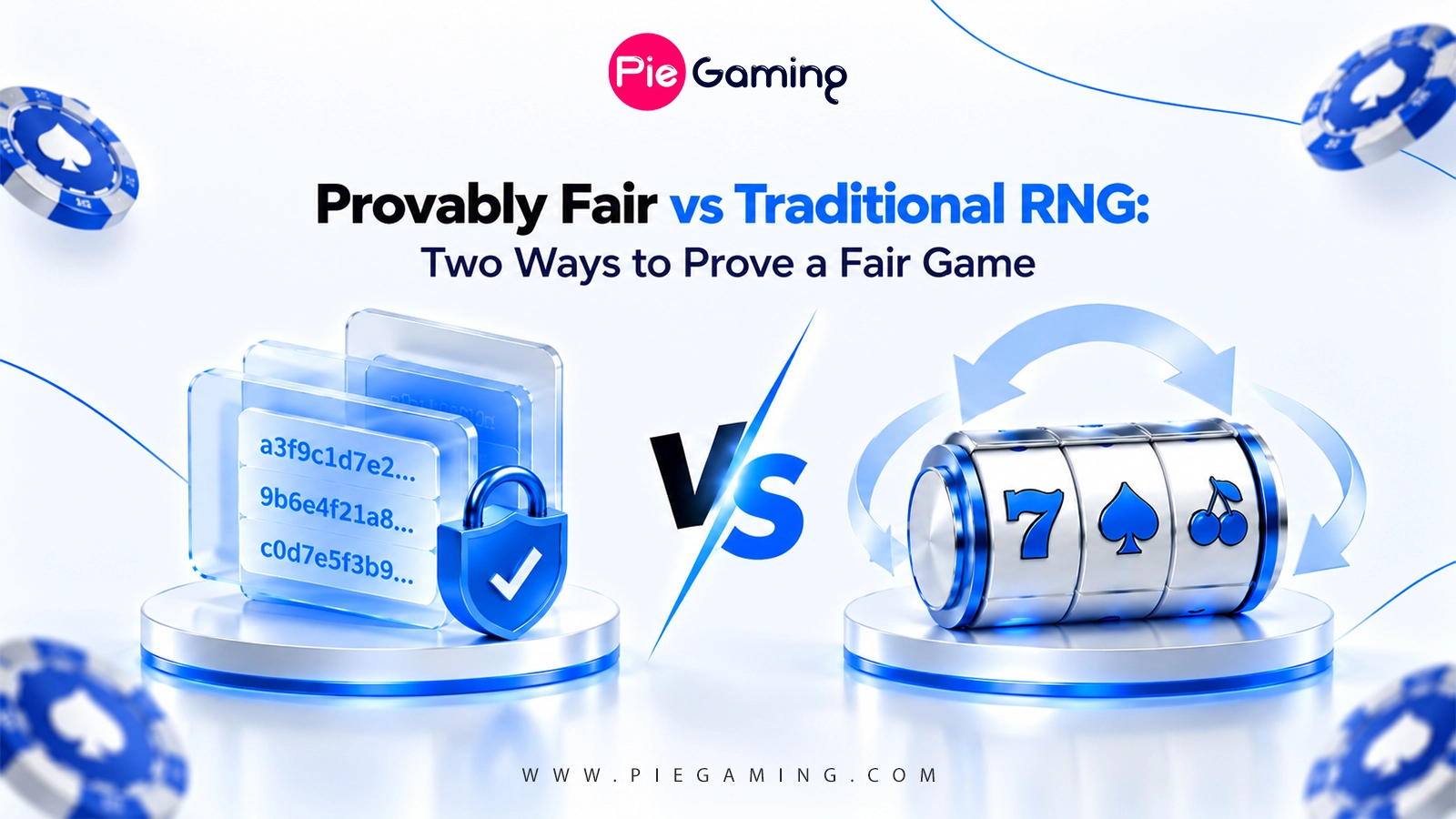
Certified RNG uses independent labs like GLI and eCOGRA to test game software before launching. Provably fair uses server seeds, client seeds, and a nonce, so players can verify individual round outcomes cryptographically after each bet.
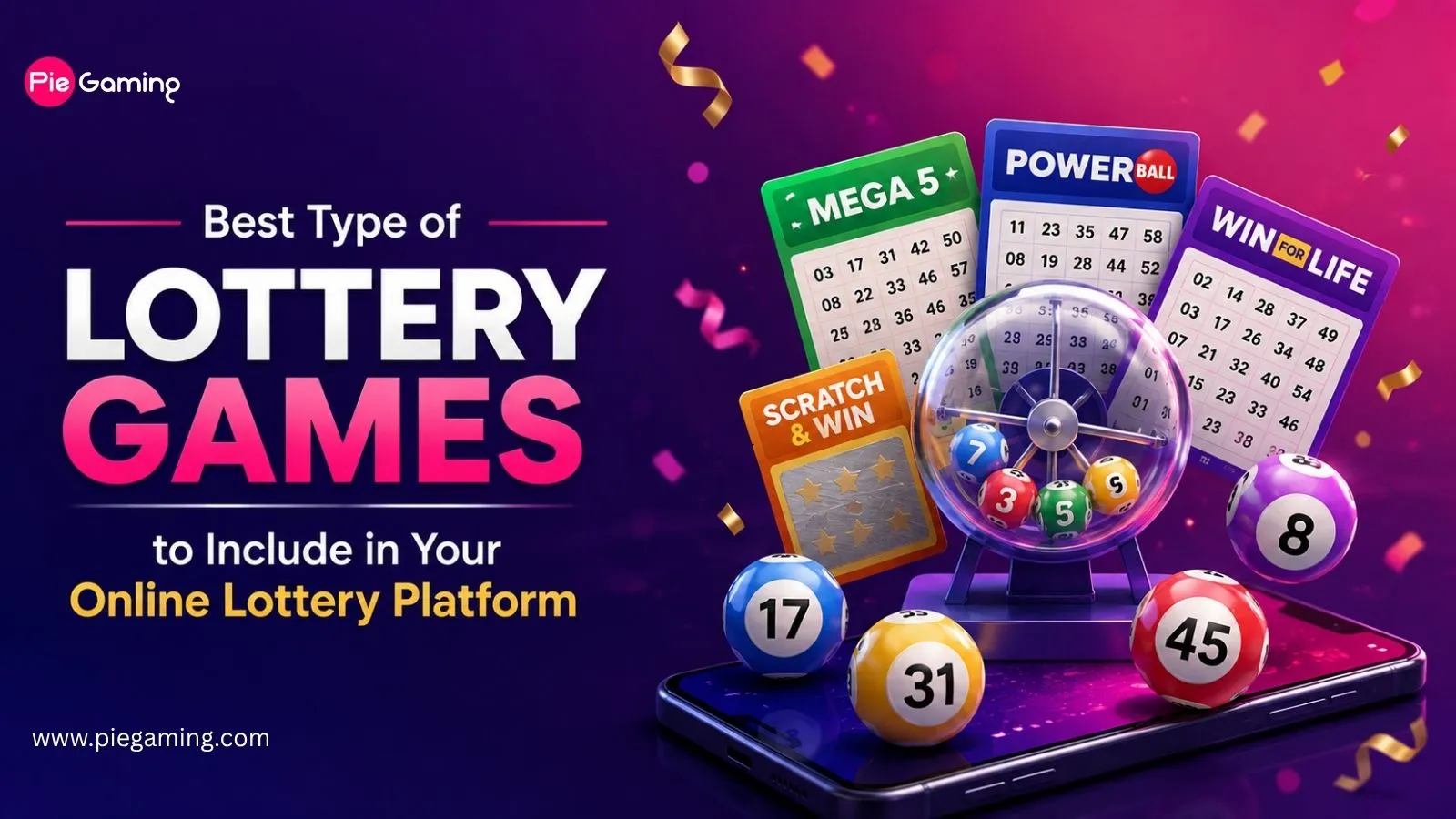
The best lottery games to include on an online lottery platform are Lotto Games, Instant Win Games, Scratch Cards, Daily Numbers Games, Keno, Bingo, Raffle Games, Lottery Syndicates, and Progressive Jackpots. These games attract diverse player segments. They boost engagement and drive long-term revenue growth.

Big Data in iGaming is the aggregation and analysis of large amounts of player, transaction, and gameplay information to inform more intelligent decision-making. It enables operators to offer personalized experiences, optimize odds, identify fraud, and drive retention. Here’s how Big Data is crucial to staying competitive in the data-driven iGaming. Information is the currency at the highest stakes in online gambling.
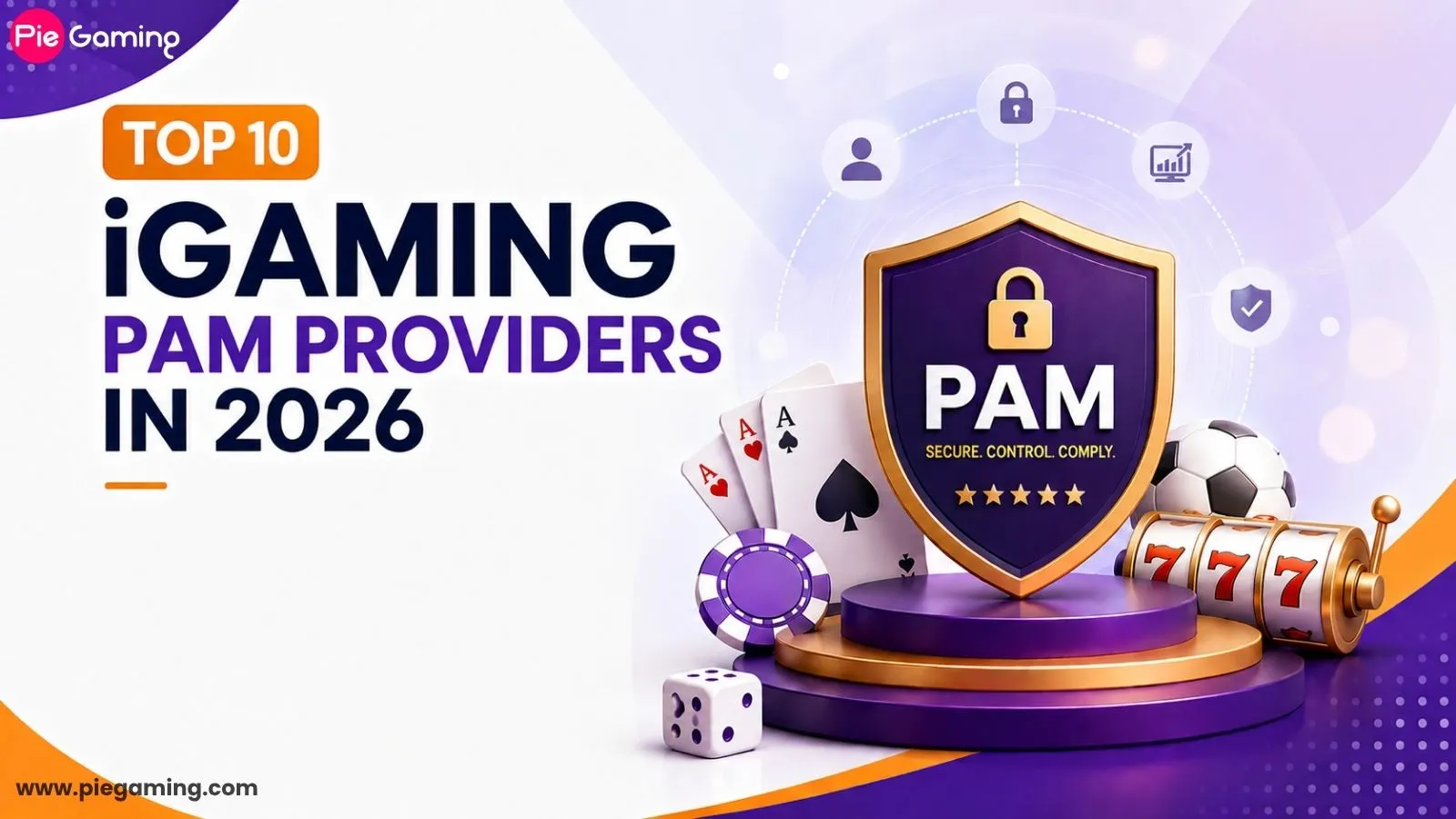
Top iGaming PAM providers in 2026 includes PieGaming,Pragmatic Solutions, EveryMatrix, SoftSwiss, Playtech, Digitain, BetConstruct, GammaStack, Tecpinion, Skilrock offering advanced player management, payments, CRM, fraud prevention, and scalable gaming infrastructure.
Self-exclusion tools are an important part of responsible gambling as they allow players to restrict their access to gaming platforms, allowing them to self-exclude or even just block out access. This article describes how these tools work and how they affect iGaming platforms in terms of compliance, player protection, and long-term platform credibility.
RTP, or Return to Player, is the percentage of total wagers a casino game is designed to give back to a player. For operators, RTP casinos directly influence the theoretical house edge, while for players, it gives a usual way to compare long-term mathematical returns of different casino games.
Explore how a casino back office system enhances profits through effective management, data analysis, and operational efficiency, driving success in the gaming industry.

See you in your inbox soon!

Stay ahead of the game. Subscribe for exclusive content, updates, and insiders!