
The Curaçao iGaming license – the most popular option for online casino and sportsbook startups – offers flexibility and affordability. The guide details the licensing process, application process, costs involved, and the reason that many operators opt for Curaçao when entering into the global iGaming market.
Every online gambling project starts with the same question: How do you operate legally without slowing down your launch?
Securing an iGaming license isn’t just a formality—it shapes your partnerships, payment options, and long-term credibility.
The Curaçao iGaming license remains one of the most practical choices for operators looking to launch and scale in 2026. With centralized oversight, genuine crypto support, and setup costs running at roughly half of what Malta requires, it strikes a balance that is difficult to match for startups targeting global markets.
This guide breaks down what has changed, what you’ll need to qualify, and how to handle the Curacao license application process step-by-step.
Overview of the Curaçao iGaming License
A Curacao iGaming license is a government-issued license that allows businesses to operate online gambling services, such as online casinos, sportsbooks, poker rooms, and other services involving the use of real money, legally.
When you need a convenient point of entry into the international iGaming market, Curacao has long been the destination of choice, particularly for startups and international operators who do not wish to waste years navigating through complicated licensing procedures.
By 2026, all licensing is administered by the Curacao Gaming Control Board (GCB) under the revised National Ordinance for Games of Chance (LOK). This wasn’t always the case.
The sub-license and the old master license system are eliminated. In its place, there is a more centralized regulatory approach that has more specific compliance expectations and direct oversight that puts Curacao in better compliance with what you would find in more established jurisdictions.
The following is what one license usually includes:
- Casino games and slots.
- Sports betting.
- RNG-based products.
- Gambling platforms are being crypto-integrated.
The license has a duration of one year and must be renewed every year to remain.
One fact to keep in mind: a Curacao license does not necessarily open the doors to such markets as the United States or highly regulated European jurisdictions. You still have to make sure that you comply with all the countries you target.
Once you have this in place, the next thing is to determine whether or not Curacao can actually work well with your business objectives and expansion plan.
The New 2026 Licensing Framework (LOK Reform & GCB)
The licensing environment in Curacao was very different a few years back. The former master-sublicense system upon which operators had been dependent for decades is long gone. In its place is a completely centralized model based on the Landsverordening op de Kansspelen (LOK), which came into force in late 2024 under the Curacao Gaming Control Board (GCB) and will take effect in early 2025 under the Curacao Gaming Authority (CGA).
This means every operator now needs their own license. No more piggybacking on a master license holder.
The LOK introduced individual B2C and B2B licenses issued directly through the GCB/CGA online portal. Getting licensed now involves fit-and-proper tests, full UBO (Ultimate Beneficial Owner) transparency, and AML/KYC protocols that align with Financial Action Task Force (FATF) standards.
Curacao’s Licensing Fee Structure:
Here is what the fee structure looks like in 2026:
| Aspect | 2026 Details |
| B2C License Fee | ANG 48,000/year + €500 per domain |
| B2B License Fee | ANG ~48,000/year (no domain charges) |
| Due Diligence | ANG 250 to 500 per person |
| Applications Volume | 740+ in H1 2024, now 20 to 30 per week |
| Processing Time | Approximately 8 weeks |
| Projected Fee Revenue | €20.7M (baseline estimate) |
Licenses are valid for one year and must be renewed annually. The 2026 portal updates also introduced incident reporting tools, domain controls, and color-coded digital seals: green for B2C operators, and blue for B2B providers.
Responsible gaming is no longer optional either. Deposit limits, self-exclusion tools, and player protection features are now mandated requirements, not nice-to-haves.
Here’s what it means for operators:
The transition deadline was January 2025, and the industry moved fast. Provisional licenses began in Dec 2024, with full transition by Dec 2025 amid heavy application backlogs.
Costs are higher than before, but there are exemptions worth knowing about. Startups generating gross gaming revenue under €10M are exempt from local presence requirements for the first three years, which meaningfully lowers the barrier for early-stage operators.
Non-compliance carries real consequences. Revocation, fines, and loss of payment integrations are all on the table. Operators who do stay compliant gain something valuable in return: better payment processor relationships and stronger credibility with players and partners in regulated markets.
The LOK reform is positioning Curaçao as a more serious competitor to jurisdictions like Malta and Gibraltar. The framework now supports Web3 and crypto operations with blockchain verification built in and aligns with EU/GDPR standards for player data protection.
For operators scaling in 2026, Curaçao is no longer just the easy option. It is becoming a credible one.
What Activities the License Covers (Casino, Sportsbook, Poker, Crypto)
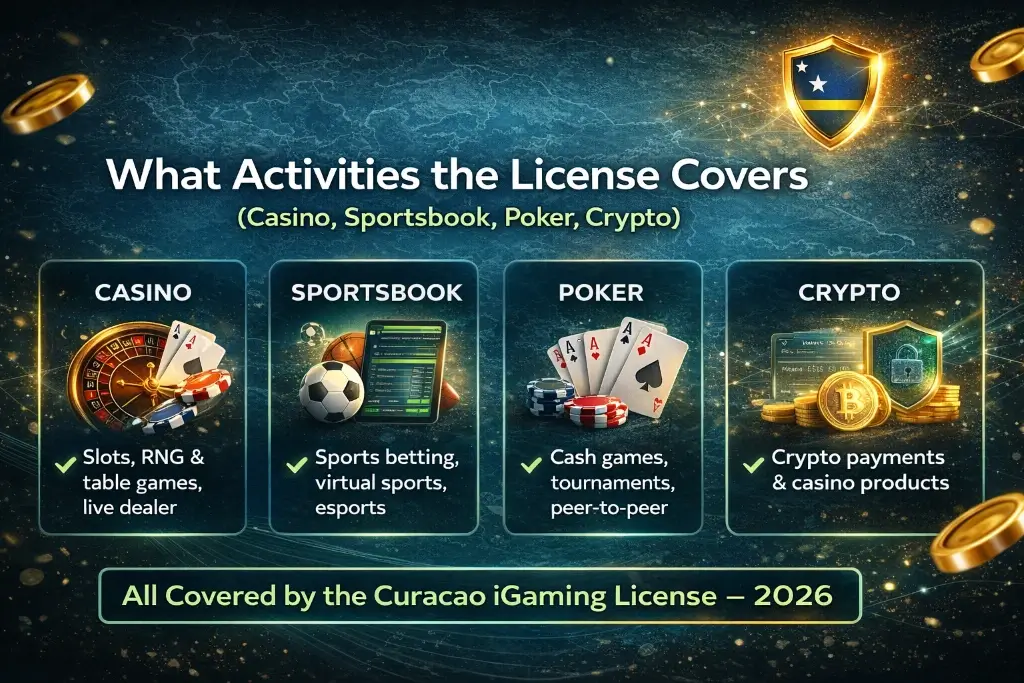
One of the bigger advantages of the 2026 framework is simplicity. Under the updated LOK regime, a single B2C license issued by the Curaçao Gaming Authority (CGA) covers a wide range of online gambling activities. No sublicenses, no vertical-specific permits, and no jumping through extra hoops for each product you want to offer.
Here is what that looks like in practice:
| Activity | Coverage Details |
| Casino | RNG and table games (blackjack, roulette), live dealer, slots, jackpots, and crash games. RNG certification is required. |
| Sportsbook | Fixed-odds pre-match and live betting, virtual sports, and esports. Integrity rules apply. |
| Poker | Cash games, tournaments, and peer-to-peer formats. Player fund segregation is mandatory. |
| Crypto | Crypto payments, wallets, and crypto-denominated betting and casino products. Enhanced AML and wallet screening is required. |
The reformed framework puts direct CGA oversight at the center of everything. That means AML and KYC compliance, responsible gaming features, and local substance requirements (a local office and director) are all part of the package now, not optional add-ons.
On the cost side, there is no GGR tax, and the annual B2C fee sits at approximately €47,000. Land-based operations and activities targeting restricted jurisdictions are not covered under this license.
If you are a software provider, platform developer, or payment technology company, you are looking at a B2B supplier license instead. That covers the technology and infrastructure side, but does not authorize player-facing operations directly.
Why Choose a Curacao iGaming License?
Curacao will continue to be the jurisdiction of choice for many operators in 2026, with 450+ active B2C licensees operating out of the country after its groundbreaking regulatory reform. It continues to stand out for all the right reasons.
1) Fast approval
Speed matters, especially when capital is tied up waiting for a license. European jurisdictions like Malta can take 16 to 24 weeks to process an application. Under Curaçao’s updated centralized regulatory model, that window narrows considerably.
In 6-12 weeks (assuming that documentation and compliance materials are in place), most applications are transferred to license approval after company incorporation.
In the case of fast-growing operators and startups, that difference is not only logistical. It has a direct impact on time-to-market and the capital lying idle in the approval process.
2) Lower cost than Malta
The numbers here are difficult to ignore. Curaçao’s initial application fee sits at approximately €4,610. Malta’s starts at €25,000 or more. Annual B2C license fees in Curaçao run around €47,450, with no GGR tax applied.
Malta, in contrast, uses progressive gaming taxes (as high as 5% of GGR) and renewal fees that may be as high as €600,000 based on the business structure.
Overall, under a Curacao iGaming license, the setup and operational costs are typically 40 to 60 per cent lower in comparison with the significant EU jurisdictions. In the case of emerging operators or business ventures trying out new markets, that gap may be the difference between a successful launch and one that fails before it can even begin.
3) Crypto-friendly
Curaçao has become the jurisdiction of choice for blockchain-based operators, and that position is well-earned. The B2C license framework explicitly permits crypto wallet integration and cryptocurrency transactions, with AML screening and transaction monitoring requirements built into the compliance structure.
Collectively, Curaçao-licensed operators are estimated to process over $2 billion in annual crypto transaction volume. For operators targeting regions where traditional banking access is limited or where crypto is simply the preferred payment method, this flexibility carries real commercial weight.
4) Single license covers multiple verticals
Some jurisdictions require separate approvals for different product categories. Curaçao doesn’t. A single B2C license can cover casino, sportsbook, poker, and crypto operations under a single authorization. This enables operators to provide 10 or more gaming verticals, such as slots, live dealer games, peer-to-peer poker, and sports betting, without necessarily going back to the regulator each time they wish to increase their product line.
The resulting consolidated structure is capable of lowering the administrative overhead by up to 50 percent over multi-license models, which can have a significant effect, particularly on compliance costs and complexity of operation as a business expands.
5) Improved credibility after reform
The LOK reforms of 2024, which are now fully enforced, have contributed significantly to what a Curacao iGaming license really means. The important changes are a publicly accessible list of licensed operators, mandatory local substance requirements, segregation of players’ funds, and strengthened due diligence checks. Collectively, they have brought the jurisdiction nearer to what banks and payment providers would consider ideal.
The results are measurable. Acceptance rates among financial institutions have improved by a reported 30% year-over-year, reflecting growing institutional confidence in the framework. Curaçao has always had speed and cost on its side. What the reforms have added is a stronger regulatory profile to go with them.
Curaçao iGaming License Requirements & Application Process
Here is what you need to know about the Curaçao gaming license requirements and how the process works from start to finish.
Step 1 – Establish a Curaçao Legal Entity
Before you can apply for a license, you need a legally registered company in Curaçao. The majority of the operators establish either a BV (private limited company) or an NV (public limited company), depending on the ownership and funding arrangements of the business.
The 2026 framework is clear on what the company should resemble on the ground. At least one resident director, a local representative, and three permanent local employees will be needed. All Ultimate Beneficial Owners should be revealed, with the extent of the business they own and the manner of control. A physical office and at least one production server located in Curacao will also be required, which are typically configured by a corporate service provider.
Maintain a simple and orderly ownership structure. Complex or layered structures have a tendency to slow down due diligence, and in some cases, greatly. The corporate tax is 2% of net profits, and that is one of the more attractive rates available on the tax side.
Approximate deadlines: 5-10 business days, in case your papers are prepared.
Step 2 – Build Your Compliance and Technical Framework
Getting your company incorporated is just the first step. What comes next is building the compliance and technical foundation that the CGA will actually scrutinize during the review.
On the compliance side, you need AML and KYC policies; risk assessments; source of funds verification; responsible gaming measures like self-exclusion and deposit limits; sanctions and PEP screening; and player protection protocols, including age verification. These need to be built around how your business actually works, not copied from a template. The regulator can tell the difference.
Technically, you need to demonstrate RNG certification to GLI-33 standards, local secure hosting, data encryption, transaction monitoring, fraud prevention tools, and back-office reporting capabilities. CGA-approved security audits are also required. If you are using third-party software providers, their certification documents and integration agreements need to be part of your submission too.
Estimated timeline: 2 to 4 weeks, depending on how prepared you are going in.
Step 3 – Get Your Documentation in Order
This step is straightforward but easy to get wrong. Everything needs to be accurate and consistent before you submit, because mistakes here are one of the most common reasons applications get delayed.
For the company, you will need your certificate of incorporation, articles of association, shareholder register, corporate structure chart, a business plan covering your intended games and target markets, financial projections, and proof of domain ownership.
For the individuals connected to the business, the list includes notarized passport copies, updated CVs, proof of residential address, bank reference letters, source of funds declarations, and signed compliance manuals. The CGA uses three digital forms as part of the process: the Online Gaming Application, the Business and Corporate Information form, and the Personal History Disclosure. Depending on where your documents come from, notarization and translation may also be required.
Go through everything carefully before you submit it. An inconsistency in a name, address, or ownership percentage can set the whole process back.
Step 4 – Submit Your Application via the CGA Portal
Once everything is ready, the application goes through the official portal at portal.gamingcontrolcuracao.org. You will upload your documents, pay the application fee, and declare your operational details, including website domains and platform structure.
Application fees under the 2026 framework range from €5,000 to €20,000, depending on the size and scope of your operation. The review itself runs in two phases: an initial review of around eight weeks, then a full assessment for a further eight weeks. Most applications wrap up within 6 to 10 weeks in total, though more complex cases can take up to 16 weeks.
At either stage, the regulator may come back with clarification requests. Responding quickly and thoroughly is one of the simplest things you can do to keep the process moving.
Step 5 – Due Diligence and Fit-and-Proper Review
This is where the CGA takes a close look at the people running the business and the business itself. That means background checks on directors and UBOs; a review of financial capacity and source of funds; an assessment of your business model; and checks on your compliance framework and local substance requirements, including server location and staffing.
Enhanced AML and counter-terrorism financing checks are part of the standard process under the 2026 framework. No license gets issued without passing them. Being transparent and responsive at this stage makes a real difference to both how long the review takes and how it ends.
Step 6 – License Approval and Going Live
Once the CGA approves your application, the license is issued. In some cases, this comes with conditions that need to be met before you can launch. A soft launch is often used at this point to confirm that your compliance systems are working properly before you open to players fully.
Before you go live, you need domain approval, the official CGA seal displayed on your site, active AML and monitoring systems, responsible gaming tools in place, and your payment provider integrations finalized. One B2C license covers everything: casino, sports betting, poker, and crypto operations. If you are operating on the supplier’s side, a separate Curacao B2B gaming license covers technology and infrastructure.
The license is valid for 12 months and needs to be renewed every year. License renewal fees in Curacao run between €25,000 and €50,000, with ongoing reporting and audit requirements that continue for as long as you are licensed. There are no sublicenses under the current structure. Everything goes through the CGA directly.
Costs & Fees in 2026
Before you apply, it helps to understand exactly what you are paying for and when. In 2026, the fee structure is more transparent than it was under the old sublicense model, but the headline government charges are only part of the picture. Budgeting realistically from the start saves a lot of friction later.
Government Fees
These are paid directly to the regulator and vary depending on whether you are applying for a B2C or B2B license.
| Fee Type | B2C License | B2B License |
| Application Fee (one-time) | €4,592 + €543 per UBO | €4,592 + €543 per UBO |
| Government Annual Fee | €24,490 | €24,490 |
| CGA Supervisory Fee | €22,960 (mandatory) | €22,960 (optional) |
| Total Annual Fee | €47,450 | €24,490 to €47,450 |
| Renewal Fee | Same as annual fee | Same as annual fee |
| License Duration | 12 months | 12 months |
The application fee is paid on submission and is non-refundable, even if the application is unsuccessful. The higher annual cost for B2C reflects the greater regulatory exposure that comes with operating consumer-facing platforms.
Setup and Professional Costs
Government fees are one part of the budget. Getting to approval and launch involves a range of professional and operational expenses that need to be planned separately.
| Cost Area | Estimated Range |
| Company incorporation and registered office | €5,000 to €8,900 |
| Legal advisory and regulatory support | €5,000 to €20,000 |
| Compliance framework drafting (AML, KYC, RG policies) | €3,000 to €15,000 |
| RNG certification requirements and technical testing | €5,000 to €15,000 |
| Hosting and infrastructure (Year 1) | €5,000 to €25,000 |
| Ongoing server costs (monthly) | ~€2,000 per month |
| PSP onboarding and merchant account setup | €2,000 to €15,000 |
| Software platform or game provider integration | €30,000 to €100,000 |
| Operator Type | Estimated Total Startup Budget (excl. marketing) |
| B2C Operators | €98,000 to €250,000 |
| B2B Operators | €70,000 to €150,000 |
The final number varies based on your business model, the number of games you plan to offer, and your payment methods.
Tax Structure
Curaçao’s tax framework remains one of the jurisdiction’s genuine advantages, but it only works in your favor if your substance requirements are properly in place.
| Tax Type | Rate | Conditions |
| Corporate Income Tax | 22% standard | Worldwide profits, no substance |
| Corporate Income Tax | 0% to 4% effective | Full local substance in place |
| GGR Tax | 0% | No gaming-specific tax applied |
| VAT on local non-gaming services | 6% to 9% OB | Local services only |
| Dividend Withholding Tax | 0% | Non-residents, no restrictions |
Full substance means a local office, a resident director, at least one employee, and an annual substance report filed with the regulator. Operators who do not meet these requirements default to the full 22% rate. Audits have become more common under the 2026 framework, so this is not an area to cut corners on.
Tax planning and substance alignment directly affect what you actually pay and how sustainable the operation is over time.
Taken as a whole, Curaçao remains one of the most cost-efficient regulated iGaming jurisdictions available in 2026, provided you go in with a realistic budget that accounts for both the regulatory and operational side of the setup.
Timeline – How Long Does It Really Take?
Getting a Curaçao iGaming license from application to launch typically takes between 2 and 4 months under the 2026 LOK framework. That window depends heavily on how well prepared you are going in and how quickly the regulator can move through its review. Here is how the process breaks down in practice.
For a well-prepared B2C or B2B applicant, the process follows a clear sequence of phases.
| Phase | Time frame | What Happens |
| Document preparation and submission | Weeks 1 to 2 | KYC and AML policies, business plan, UBO details, and technical audits are compiled and submitted via the CGA portal. |
| Initial review and completeness check | Month 1 | The regulator confirms that documents are complete, typically within 10 to 20 business days. Minor fixes may be requested at this stage. |
| Compliance audit and CGA assessment | Month 2 | Technical review covering RNG certification and platform infrastructure, alongside background checks on directors and UBOs. Provisional approval is possible here. |
| Final approval and payment | Month 3 | Fees are paid, the license is issued, and PSP and hosting integrations are finalized. |
| Soft launch and monitoring | Month 4 | CGA supervision begins. Full operations typically follow after a 30-day probationary period. |
For straightforward applications handled by experienced agents, the end-to-end process averages 10 to 16 weeks.
What Can Delay Approval?
Not every application moves smoothly. Delays are common and can push the timeline out anywhere between 5 and 8 months. Most of them come down to preparation gaps or external dependencies that were not accounted for early enough.
| Cause of Delay | Typical Impact |
| Incomplete or inconsistent documentation, such as mismatched UBO data | Add 4 to 8 weeks for resubmission. |
| Technical failures in RNG or platform audits | Recertification loops can extend the process by 6 to 12 weeks. |
| Adverse background checks or PEP and AML flags | Investigations typically take 2 to 4 months to resolve. |
| Peak application volumes in Q1 and Q4 or regulator backlog | Standard wait of 4 to 6 additional weeks. |
| Third-party dependencies such as PSP onboarding or hosting migration | Uncoordinated setups can be added 1 to 2 months. |
The most effective way to avoid these delays is straightforward: work with vetted service providers and submit a complete, consistent application from the start. Every gap you leave in the initial submission is time added to the back end of the process.
Curacao vs Other Gaming Licenses
Picking the right license in 2026 is really a question of priorities. How fast do you need to launch? What is your budget? And which markets are you going to? Here is how Curacao stacks up against the two most common alternatives.
Curaçao vs. Malta
Malta is the gold standard for operators targeting EU players. It carries serious institutional weight and opens doors that other licenses simply cannot. But that comes at a price, both in fees and in how long it takes to get approved.
Curaçao is faster, cheaper, and more flexible. If you do not need EU market access to make your business work, it is hard to justify the extra cost and time that Malta requires.
| Aspect | Curaçao 2026 | Malta MGA 2026 |
| Annual Fee | €47,450 B2C / €24,490 B2B | €25,000 to €600,000 |
| Tax | 0% to 4% with local substance; 0% GGR | 5% GGR plus corporate tax |
| Timeline | 2 to 4 months | 3 to 6 months |
| Reputation | Strong in global, crypto, and Asian markets | Tier-1 EU, high trust |
| Key Requirements | RNG, AML, local substance | Full audits, EU GDPR compliance |
Curaçao vs. Anjouan
Anjouan is the fastest and cheapest option on the market right now. If speed is everything and budget is tight, it is tempting. But it is a newer jurisdiction with limited recognition and some regulatory uncertainty that operators should factor in.
Curaçao iGaming license costs more and takes longer, but it gives you a much stronger footing with payment providers, banks, and players.
| Aspect | Curaçao 2026 | Anjouan 2026 |
| Annual Fee | €47,450 B2C / €24,490 B2B | €17,800 Year 1 |
| Tax | 0% to 4% with local substance; 0% GGR | 0% GGR |
| Timeline | 2 to 4 months | 4 to 8 weeks |
| Reputation | Established and improving | Newer, less stable |
| Key Requirements | Local substance, AML, CGA oversight | Basic due diligence |
If you are building something for the long term, Curaçao is the most dependable choice. Anjouan works if you need to move fast and are comfortable with the trade-offs that come with a jurisdiction that is still finding its footing.
Is a Curacao iGaming license legitimate in 2026?
The short answer is yes. A Curaçao iGaming license is a legitimate regulatory authorization in 2026. But understanding what that means in practice requires a bit more context.
It is one of the most common questions operators ask when evaluating their options, and it is a fair one. Credibility matters, and in an increasingly regulated global gambling landscape, the jurisdiction you choose says a lot about how seriously you take compliance and long-term sustainability.
A reputation that has shifted considerably
Curaçao was historically seen as a low-barrier offshore option, and that perception lingered for years. What it does not reflect is how significantly the jurisdiction has changed. The LOK framework replaced the old, fragmented sublicense model with centralized supervision, standardized licensing conditions, and defined enforcement powers. The regulatory environment today is meaningfully different from the one that earned Curaçao its offshore reputation.
Legacy perceptions still exist, particularly among players unfamiliar with the reforms. But among operators, payment providers, and industry partners who have looked closely at what the framework actually requires, the picture is more nuanced.
Compliance obligations under the current framework
In 2026, holding a Curaçao license is not a formality. Licensed operators are subject to formal compliance obligations covering AML controls, responsible gaming measures, ongoing reporting requirements, and continuous regulatory monitoring. These standards place Curaçao closer to internationally recognized regulatory benchmarks than at any point in its history.
That matters because it changes what the license actually represents, both to regulators and to the businesses that operators need to work with.
International recognition and market acceptance
Across international markets where local licensing is not mandatory, the Curaçao license is broadly accepted. Payment providers, software vendors, hosting companies, and affiliate networks increasingly treat it as a legitimate regulatory credential, provided the operator behind it is demonstrably compliant.
That last part is important. The license opens doors, but how you operate behind it determines how those relationships develop over time.
Banking and payment provider confidence post-reform
One of the more tangible signs of the jurisdiction’s improved standing is the shift in attitude among banks and payment service providers. Greater transparency, a public licensee register, and clearer operator accountability have reduced the perceived risk that once made onboarding difficult for Curaçao-licensed businesses. It is not universally straightforward, but it is considerably more achievable for operators running clean, compliant operations.
Long-term viability as a licensing jurisdiction
Curaçao is not a replacement for a Malta MGA or UKGC license if your business model depends on access to strictly regulated EU markets. It was not designed to be. But for operators targeting international or offshore audiences, it is a legitimate and sustainable regulatory foundation in 2026, provided you treat compliance as an ongoing operational commitment rather than a box to tick at the application stage.
The long-term viability of a Curaçao license comes down to how seriously you take the obligations that come with it. For operators who do, it holds up well.
Wrapping Up…
For many operators, Curaçao remains one of the few jurisdictions where launching an iGaming business is genuinely achievable without high cost or delays. In 2026, the process is more structured than it used to be, but that structure has also made it more predictable. You know what is required, what it costs, and how long it takes.
With the right preparation, a Curaçao iGaming license gives you a clear path from concept to a compliant, operational platform ready for real players and real growth.
FAQs
-
How much does it cost to get a Curaçao iGaming license?
The application fee is €4,592 plus €543 per UBO. Annual B2C fees total €47,450. Total year-one costs, including setup, typically run between €98,000 and €250,000.
-
How long does the Curaçao licensing process take?
Most well-prepared applications are completed in 10 to 16 weeks. The full process, including preparation and approval, averages 2 to 4 months. Poor preparation can extend this to 8 months.
-
Can crypto casinos operate under a Curaçao license?
Yes, crypto operations are fully permitted for post-LOK. The 0% GGR tax and flexible payment options make Curaçao a popular choice for crypto-native platforms specifically.
-
Is a Curaçao license credible?
Yes. Post-LOK reforms introduced real AML, audit, and substance requirements. It is a legitimate option for startups and international operators, though it does not unlock regulated EU markets.
-
How do you verify a Curaçao gaming license?
Check the CGA public registry at cga.gov.an. Search by company name or domain to confirm license status, expiry date, and compliance standing.

Palak Madan is a enthusiastic writer at PieGaming. With over 2+years of experience crafting engaging content and a strong literature background, Palak brings a unique perspective to the world of words. Her ability to blend creativity with strategic thinking has made her a sought-after content creator. She's eager to dive deep into the intricacies of iGaming software, uncovering the stories behind the technology and translating complex features into compelling narratives.
-
To obtain the Anjouan Gaming License, applicants must collect and submit all the important documents. Learn the process of obtaining Anjouan iGaming license.
-
This blog covers everything from success keys to case studies of successful Asian iGaming operators to help start your dream business.
-
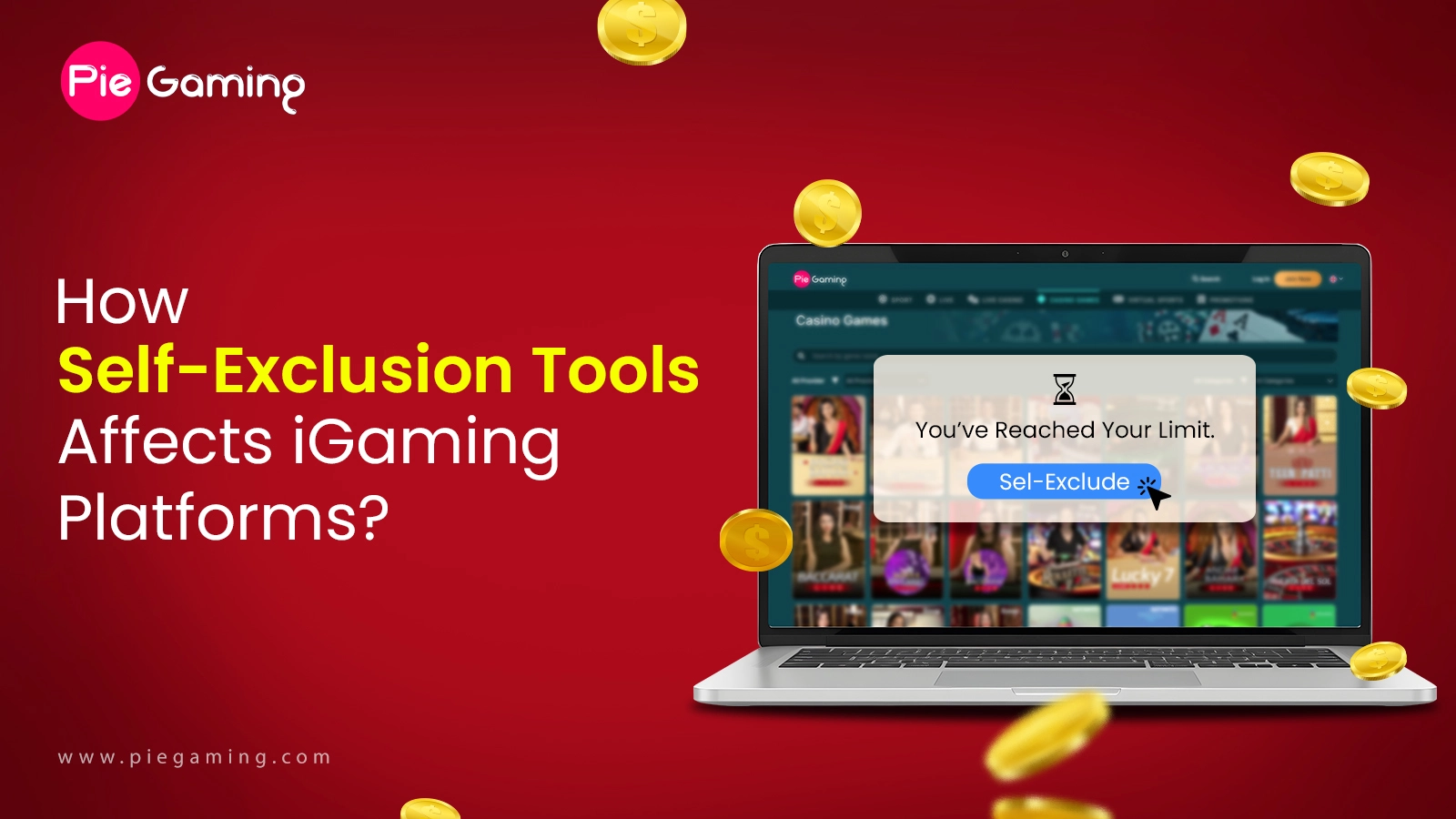
Self-exclusion tools are an important part of responsible gambling as they allow players to restrict their access to gaming platforms, allowing them to self-exclude or even just block out access. This article describes how these tools work and how they affect iGaming platforms in terms of compliance, player protection, and long-term platform credibility.
-
Learn how to get a Kahnawake iGaming license in 2026 with this step-by-step guide covering eligibility, application requirements, costs, and compliance for online casino and sportsbook operators.
-
Choosing between Malta vs Curacao iGaming license is one of the important decisions for operators. This guide highlights the cost, application process, market access, etc., to help you make the right choice.
-
Discover the top 5 iGaming markets to watch in 2026. Learn about their rules, growth potential, and why they matter for operators planning…
-
This blog explores ways and platforms to find and partner with top sports betting affiliates to grow the iGaming business. When Nicole launched…
-

This blog explains how iGaming affiliate marketing software helps operators boost revenue through smart tracking, automation, fraud prevention, and better campaign control.
-
The Isle of Man iGaming license is reputed for being world-renowned with strict regulatory scrutiny and global credibility. We have made a guide to the application process, licensing requirements, costs, and benefits for operators looking to start a reliable and compliant gaming business.
-
This blog breaks down the key strategies of top iGaming operators in 2026 and how you can grow like them as a market leader. Stay tuned until the end.
-
This blog is a comprehensive guide on key success strategies for European iGaming Operators. Read on to build your iGaming empire in the European market.
-
If you have landed on this blog, that simply means you’re planning to enter among the most lucrative iGaming markets in the world…
-
In this blog, we will focus on the South Africa iGaming license, step-by-step process to obtain it, and much more. Read here to…
-
Malta is one of the best iGaming jurisdictions in the world. The guide goes into details on getting an iGaming license in Malta: requirements (regulatory and registration), application process, costs, and why the Malta Gaming Authority license is respected globally.
-
Affiliate software is instrumental in managing partnerships and keeping track of performance in iGaming. This guide provides an overview of many iGaming affiliate software providers and features that operators can utilize for running an efficient affiliate marketing program.
-
Provably Fair technology promotes transparency in online gambling by enabling players to independently verify online game outcomes. This guide covers what the system is, why the system is beneficial for player trust and becomes embedded in modern crypto-based iGaming, and how its most popular platforms for online gaming systems are largely built on a few of its many implementations.
-
Payment solutions are a staple of any iGaming platform. This guide details leading iGaming payment providers and the technology capabilities which help operators to secure deposits, make quick withdrawals, and facilitate transactions for players all over the world.
-
Operators may own a set of branded casino platforms with the help of custom white-label iGaming software, so they can start without building everything from scratch. Discover how these flexible solutions empower businesses to customize features, scale faster, and enter competitive gaming markets efficiently.
-
Launching an iGaming platform doesn’t have to be complex. Discover how turnkey solutions simplify development, reduce costs, and help operators launch a fully functional casino or sportsbook quickly with ready-to-use technology and integrations. Learn how turnkey solutions simplify development, reduce costs, and enable operators to launch a fully functional casino or sportsbook quickly with ready-to-use technology and integrations.
-
White label solutions make it much simpler to get up and running on an iGaming platform without building everything from scratch. This resource describes how operators can leverage white label technology to get into the market faster with ready-to-use software, integrated games, and a suite of key backend tools.
-
This blog will explore the main factors to think about when choosing an iGaming software developer. It will also cover other important questions…
-
Selecting the appropriate iGaming software provider for the launch of an online casino or sportsbook is an important process. This guide addresses the major features, services and factors operators need to weigh in choosing a stable software partner.
-
Risk management tools assist iGaming operators in detecting fraud, preventing money laundering, and protecting revenue. This guide explains why these tools are essential for modern online casinos and how they help identify risks early while ensuring safer, more reliable gaming operations.
-
White label iGaming Solutions offer ready-made, budget-friendly gambling websites. They come with AI tools, automation, and built-in legal compliance. They help you customize…
-
Starting an online poker business requires the right technology, licensing, and player engagement strategy. This guide explains the key steps to launch and scale a successful online poker platform in today’s competitive iGaming market.
-

Building an iGaming platform involves multiple stages, from planning and design to testing and deployment. This guide breaks down the complete iGaming software development life cycle and explains how each phase contributes to a secure, scalable gaming platform.
-
Steps to find the right turnkey iGaming software provider for your iGaming business. One who can help your business achieve a thriving business within weeks.
-
Discover how the custom front end improves the user experience to aid player acquisition & retention. Read do’s & don’t’s of great visual front-end.
-
Discover how digital wallet payments in iGaming help ensure speedy, safe, and accurate transactions. Know which types of digital wallets are worth adding.
-
This blog is a detailed guide on “how to secure a gaming license.” From definition to types of gaming license, steps involved and more – read here everything.
-
Latin America is booming in the global iGaming niche and has been one of the fastest-growing regions. This guide covers key markets, regulatory considerations, and possibilities for operators who attempt to extend their online casino or sportsbook business in the area.
-

Wondering how AI can be effective for your casino and sports betting business? This blog talks about the impact of AI in iGaming industry.
-
Affiliate programs offer an excellent method for acquiring players through performance-based collaborations through iGaming platforms. This document explains the steps to open and operate an affiliate program, how to set up and run an affiliate program in iGaming software, and how to attract affiliates and drive consistent player growth for the long term.
-
RNGs are the core technology which ensures online casino fairness. This guide explains what is RNG in iGaming, types of it, how it works, and how it’s beneficial for operators.
-
What is iGaming and how the industry has evolved over the years? Let’s understand everything about the iGaming industry – meaning, type, history, trends, future – in this blog.

Voila!
See you in your inbox soon!

Stay ahead of the game. Subscribe for exclusive content, updates, and insiders!