To start an online casino in Spain, you must obtain a license from the national gambling regulator, establish a local presence, and localize content with games and payment methods.
Welcome to Spain, where the rise of online casino platforms is reshaping the casino market. The growth shows the expansion of the market and presents a lucrative opportunity for early-stage operators. Also, regulations in the market have shaped the industry, and growth solely depends on compliance, local adaptation, and operational discipline.
The online casino market in Spain is expected to reach a projected revenue of USD 1,778.1 million by 2030. In terms of revenue, Spain accounted for 4.7% of the global online casino market in 2024.
Want to know how to start an online casino in Spain? It requires more than just obtaining a license. Operators need to align with regulatory updates, adapt to local player preferences, and design platforms that can easily attract audiences. Explore this step-by-step guide to learn more.
Key Considerations:
- Gambling in Spain is regulated at the national level by DGOJ (Dirección General de Ordenación del Juego), the central authority responsible for licensing, compliance, and enforcement within the sector.
- General License is permitted for categories like betting, gaming, and lotteries.
- Singular License is granted for specific games like poker and blackjack.
- Sports betting is the most popular form of iGaming in Spain.
Online Casino In Spain: Market Overview
With a population of over 49 million, a 96% internet penetration rate, and the craze for online casino games, the Spanish iGaming market has a lot to offer to investors, entrepreneurs, and operators.
As per SiGMA World News, Spain’s main regulated gambling activities generated around €8.08bn in gross gaming revenue in 2025. The lotteries remain one of the largest parts of revenue generators, while the main growth is coming from casino products. Known to be the most active iGaming industry in the world, the market is divided into casinos, sports betting, poker, bingo, lottery, and other games.
Thus, casinos have the largest share of the Spanish iGaming market, followed by sports betting and lotteries. As of 2026, the market continues to expand, and the Spanish Gambling Act offers a clear regulatory framework. This makes Spain an appealing destination for both local and international operators to start an online casino in Spain.
Licensing System for Casino Operators in Spain
Whether you’re a casino operator or sportsbook operator, understanding online casino and sports betting regulations in Spain is important to obtain a license. The Spanish licensing system is a two-tier system, which involves:
General License
It is a state-level license, which gives operators a legal right to offer gambling services, which includes betting, contests, and casino games (roulette, blackjack, poker, bingo, and slots).
Obtaining this license is mandatory, as it is the most required thing to enter the market. This license shall be valid for 10 years and renewed for an equal period of time. The application process is initiated via a public call announced by the DGOJ.
Singular License
This is a more specific license. This license is required to offer each type of gambling product that an operator wants to offer, like roulette, poker, blackjack, etc.
The singular license can be granted for a maximum period of five years and can be extended for a similar period.
Note to Remember 👇
Operators can’t launch online casino platforms without obtaining a Singular license in Spain. Therefore, obtaining both licenses is important.
Current License Availability in 2026
An online casino license in Spain can’t be obtained immediately or at any time. Operators can obtain one during public tender periods announced by the DGOJ. The regulator evaluates applications from interested operators during these windows on the basis of strict criteria.
Preferred Languages for Starting an Online Casino in Spain
Before starting an online casino in Spain, it’s important to know which language people prefer to play casino games.
Unlike the UK, Australia, and Malta, English is not the preferred language in Spain. While Spain’s official language is Spanish, the country has multiple regional languages, including Galician, Catalan, and Basque.
For online casino operators targeting the Spanish market, offering services, particularly in Spanish, is essential.
To enhance the users’ experience, operators must incorporate regional languages, particularly in areas where languages are predominantly spoken.
Whether you use White Label or Turnkey Casino Solution, make sure to offer services in the regional language. You can significantly improve player engagement and retention by making your platform multilingual.
Step-by-Step Process to Start an Online Casino In Spain
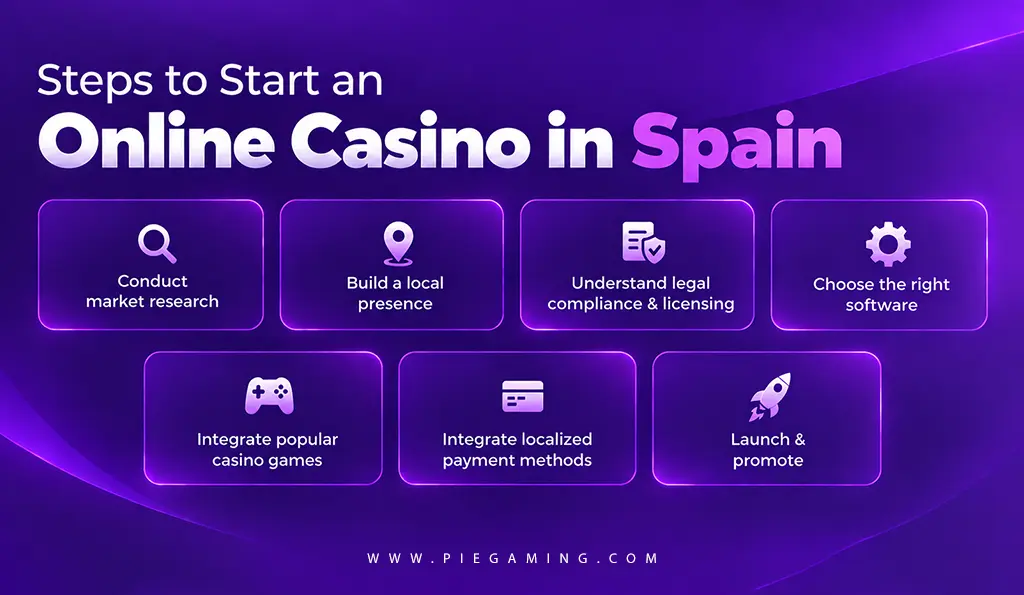
Starting an online casino in Spain
Starting a casino business involves multiple steps.
Step 1 – Conduct Market Research
Research is the first step before starting any business. The iGaming industry is competitive, so conducting thorough research to understand the Spanish online casino landscape is the ladder to success.
Things you can research include:
- Competitors
- Players’ preferences for games
- Market trends
- Most popular games
- Payment methods
Once the research is done, work on developing a robust business plan reflecting your value proposition, target audience, and financial projections.
Step 2- Build a Local Presence
For foreign operators, they must register with Spanish Tax Agency and appoint a local representative to open an office within 2-4 weeks. This step is crucial to fulfil legal requirements and facilitate ongoing regulatory communication.
Step 3 – Understand Legal Compliance And Licensing
To understand licensing requirements, engage with the DGOJ. Follow the proper application process to obtain the license. You will need both General and Singular Licenses. Also, Spain uses a tender process, which means the general license is not a “submit anytime” application. This involves submitting detailed documentation, which includes:
- Corporate structure
- Financial stability proof
- Company documents
- Stakeholder ID proofs
- KYC
Further, compliance with responsible online casino measures and player protection policies is mandatory. Operators have to meet regular external audits and be GDPR-compliant and be AML-compliant under Law 10/2010/.
General License Application Process
The application for this license can only be submitted during a public tender process, which the DGOJ announces routinely. The key steps involved in this process include:
Important documents like a business plan (detailing the scope of services, target market, and revenue projections) are required.
Financial reports depict the financial stability of the company to match the regulatory requirements.
Technical projections defining the platform’s architecture, security measures, and responsible gaming protocols.
Singular License Application Process
Once the general license is permitted, operators can apply for a singular license that targets specific casino, sports, or poker iGaming activities. The steps involved in it include:
- First, operators have to submit a singular license application for each iGaming activity they want to offer. This includes:
- A brief description of the particular service
- Proof of financial stability
- Compliance with required standards
- DGOJ Technical Certification: In this step, operators have to ensure their technical systems, i.e., hardware, software, and player management systems, procure a certification from a DGOJ-approved testing laboratory.
Step 4 – Choose the Right Software
There are numerous types of software in the iGaming industry, including White Label, and Turnkey. Choosing the right software is important to achieving business goals. Here’s what you need to know about the three software to pick the one suitable for your needs.
White Label Casino Software
As a cost-effective and hassle-free option, the white label casino software is a fully managed platform that operators can use under their brand name.
The software provider handles backend operations like casino payment solutions, game content, and licensing. The operator focuses on marketing and player acquisition.
A white label casino solution is a great choice for those who want to launch quickly without handling technical complexities. Voila! PieGaming is here to skyrocket your casino business with its robust iGaming software solutions.
Turnkey Casino Software
It is a customizable and ready-to-launch platform that provides everything required to operate an online casino. The Turnkey Casino Solution is ideal for entrepreneurs who want full control over branding, marketing, and operations.
Step 5 – Integrate Popular Casino Games
The casino is all about engaging games that players play for their entertainment and earning money. In Spain, online casino players have a strong preference for a blend of classic casino games, including slots, roulette, blackjack, poker, baccarat, and bingo.
Further, live dealer casino games and mobile-optimized platforms are shaping the future of Spain’s online casino industry.
Partner with leading game providers like Pragmatic Play, Evolution Gaming, NetEnt, etc. Also, ensure fair gameplay with Random Number Generators or RNG in iGaming.
Step 6 – Integrate Localized Payment Methods
A secure and seamless payment gateway is essential to run a successful online casino in Spain. Operators must integrate with multiple payment providers such as cards, e-wallets, and bank transfers.
In Spain, bank transfer is the preferred choice among players, as it is the most widely used method. Bizum is one of the emerging payment solutions for instant deposits. Further, established e-wallets like Skrill, PayPal, and Neteller are highly used for speed and ease of use when withdrawing funds.
Step 7 – Launch & Promote
Once every step is completely fulfilled, you can launch your casino business. Your duty doesn’t end with the launch. To expand your business across the country and internationally, you have to develop a marketing strategy aligned with Spain’s advertising regulations.
How do you do it?
You have to utilize digital marketing channels, affiliate programs, and partnerships to reach your target audience effectively.
How Much Does it Cost to Start an Online Casino in Spain?
Starting an online casino in Spain involves multiple factors, which determine the cost. The major cost components include the following:
License & Application: The license process in Spain comes with a significant cost. The application fee for a General License is €38,000 and €2,500 for every Singular License.
Taxation Fees: Spain has a standard tax rate of 20% on GGR for casino operators. But there is a rebate for operators (Ceuta or Melilla) to give a 10% tax rate under Article 48(7) Of Law13/2011.
Platform & Games: A white label platform might cost you around €50K-€100K setup, whereas a custom build could be €500K+ upfront.
Further, there are legal and compliance costs, marketing costs, and others, which could lead to €1–3 million in total startup capital before revenue.
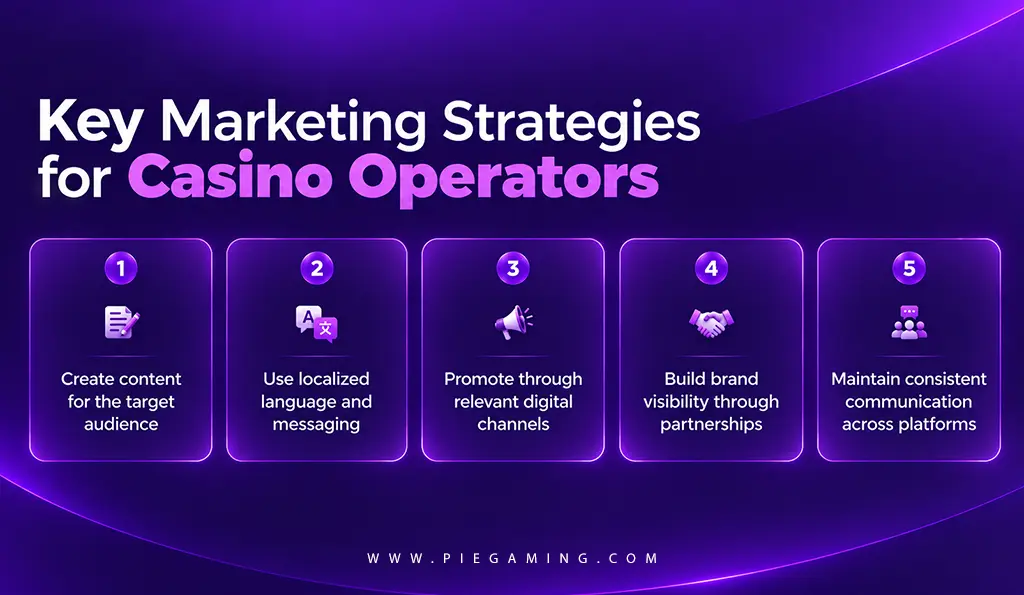
Marketing Strategies for Casino Operators in Spain
Challenges of Starting an Online Casino in Spain
Entering Spain’s online casino market comes with many challenges as listed below:
Regulatory Requirements
Spain has a two-tier licensing system that makes market entry complex. The country clearly asks operators to follow DGOJ procedures. Operators will need full compliance from day one.
Licence Availability
Licenses in Spain are not freely issued. Operators have to consider M&A or join venture with operators first.
High Competition
Yes, competition in Spain is really high. Let’s say 80 existing operators already compete for the 2M active players. Therefore, entering this market requires a deep understanding and a unique value proposition.
Player Acquisition
Spanish players are savvy and heavily driven by mobile usage. Without localizing games and payment methods, acquiring players will be difficult. You will need a strong CRM strategy to retain users once acquired.
Advertising Restrictions
Spanish law tightly regulates gambling advertising. For instance, only licensed operators can advertise on TV/ online, and content must be responsible.
Compliance Costs
Compliance adherence is must for operators in Spain. Operators will need a full-time Spanish speaking compliance officer or consultant. Non-compliance isn’t an option because DGOJ fines breaches.
Conclusion
Starting an online casino in Spain is feasible but demands careful planning and consideration. Though market size and growth are appealing, the entry requirements are strict. With the steps outlined above, you can open a fully legal, compliant, and profitable casino business in Spain.
How can PieGaming help you?
PieGaming helps operators navigate the complex structure of the Spanish casino market. We offer tailored solutions to help budding operators, startups, and entrepreneurs thrive in the competitive iGaming industry in Spain.
Contact the PieGaming team to discuss customized solutions for entering and expanding in the Spanish iGaming market.

Contact Us
FAQs
-
Is online casino legal in Spain?
Yes, online casino is legal in Spain. The Dirección General de Ordenación del Juego (DGOJ) oversees the implementation of this law. They ensure that all operators comply with the regulations and maintain fair gaming practices.
-
What license do I need to run an online casino in Spain?
You need a General license issued by Spain’s DGOJ, plus individual Singular Licences for each game type (slots, roulette, etc.) you want to offer. Obtaining both licenses are mandatory for your company while singular licenses are for a specific product you want to offer.
-
Spain vs. UK licensing: which market is easier to enter?
Both markets differ. Spain’s market is appealing but tightly regulated; you don’t simply apply anytime. Whereas the UK allows operators to apply at any time and uses an ongoing compliance process. Also, the UK market has heavy taxes, so which is easier depends on your strategy.
-
What's the total startup budget for launching an online casino in Spain?
The total cost could be around €1–3 million in total. This includes licensing costs, platform setup, compliance, and team costs.
-
How do I set up payment processing for a Spanish online casino?
You have to integrate with payment service providers, which are accepted by Spanish players. Typical methods include credit/debit cards, bank transfers, and popular e-wallets. You will need a merchant account with a European acquirer.
-
Where can I find a reliable gambling license consultancy for Spain?
There are various consultancy firms in Spain to provide licensing consultancy. However, PieGaming also helps operators with the licensing process. We can guide you through DGOJ processes, help prepare documentation, etc.

Monika Gola is an iGaming content specialist at PieGaming. Since 2020, she has been researching and developing content around software selection, online casino & sports betting regulations, and operator growth strategies. Her research includes analyzing market opportunities in regions like Europe, Africa, and Southeast Asia, as well as evaluating regulatory frameworks and entry barriers. She is actively monitoring industry trends, compliance updates, and evolving player demands across global iGaming markets to help operators navigate this industry seamlessly.
Online casino problems can affect operators at every stage, from market entry and payment to player retention, technology, and profitability. Learn the key challenges and practical ways to address them.
Kenya has a growing online gambling market supported by increasing internet adoption and mobile payment systems. This guide clarifies the steps and protocols you can follow for setting up an online casino business in Kenya, including regulations and licensing requirements.
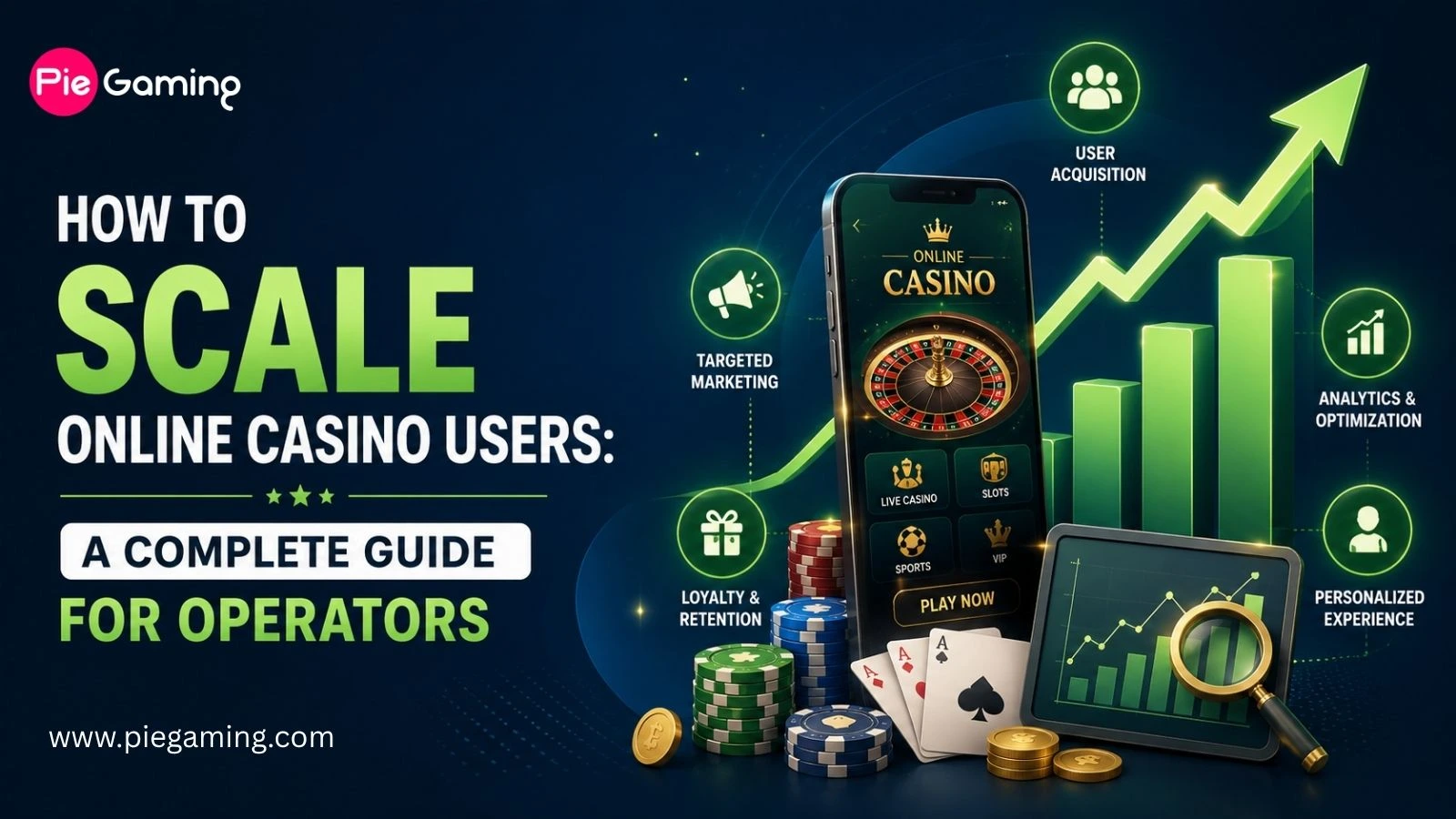
The key components of scaling online casino users can be summarized in four areas. The right acquisition channels, delivering personalized engagement, developing loyalty programs, and making data-driven decisions. Creating a mobile experience, maintaining player engagement and translating markets that you want to attract are all just as crucial to sustainable growth.

This blog breaks down the key strategies of top iGaming operators in 2026 and how you can grow like them as a market leader. Stay tuned until the end.
Starting an online casino sounds exciting. But many new operators fail within a few months due to evitable mistakes. Here are the top 10 mistakes you must steer clear of.
Learn how to start an online casino in Turkey in 2026. Get easy tips on laws, licenses, payments, and more to run your business smoothly.
GGR vs NGR are the two-revenue metrics every casino operator needs to track. GGR is total wager minus player payouts, reflecting gaming performance before any deductions. NGR is GGR after bonuses, taxes, payment fees, provider royalties, and chargebacks are deducted. The gap between the two reveals where margin pressure is building.

See you in your inbox soon!

Stay ahead of the game. Subscribe for exclusive content, updates, and insiders!