
2026'da en iyi online casino ödeme yöntemleri arasında kredi ve banka kartları, e-cüzdanlar, açık bankacılık, kripto paralar, ön ödemeli kuponlar ve mobil para yer alıyor. Kartlar en yaygın olarak desteklenen yöntemdir ancak kumar işlemlerine ilişkin ihraççı kısıtlamalarıyla karşı karşıyadır. PayPal, Skrill ve Neteller gibi e-cüzdanlar daha hızlı para çekme imkanı sunar.
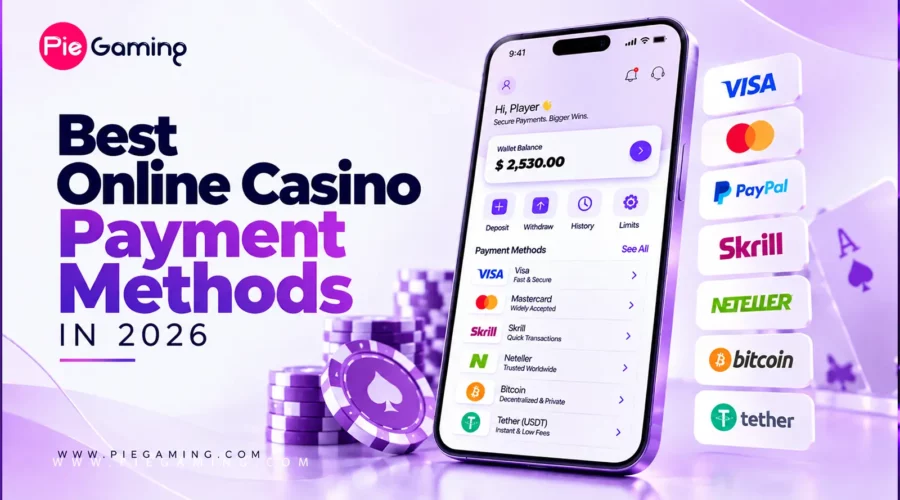
Çevrimiçi kumarhane oyuncularının hepsi aynı şekilde ödeme yapmaz. Bir oyuncu anında kartla para yatırmak isterken, bir diğeri kendi para birimini destekleyen yerel bir e-cüzdana ihtiyaç duyar. Üçüncüsü ise üç iş günü sürmeyen bir para çekme yöntemi arar. Operatörler yalnızca birkaç ödeme seçeneğini desteklediğinde, tek bir bahis bile yapılmadan önce kitlelerinin önemli bir bölümü için sorun yaratırlar.
2026'da rekabetçi bir ortam çevrimiçi kumarhane yazılımı Esnek bir ödeme altyapısına ihtiyaç duyar: yerel ödeme yöntemlerinin kapsamı, güvenilir para yatırma ve şeffaf ücretler. Bu kılavuz, en iyi çevrimiçi kumarhane ödeme yöntemlerini hız, maliyet, bölgesel erişim ve oyuncu seçimini gerçekten etkileyen faktörler açısından karşılaştırır.
Kumarhanelerin ödeme sistemleri nasıl çalışır?
İlk bakışta anlık kumarhane ödemeleri gibi görünen işlemler aslında birden fazla sistemin etkileşiminin sonucudur ve düzenleyici yönergeler çerçevesinde fonların güvenli bir şekilde aktarılmasını sağlar.
Para transferi akışı: Oyuncu bir ödeme yöntemi seçer ve bir tutar belirler. Ödeme ağ geçidi, ilgili banka, kart ağı veya e-cüzdandan talepte bulunur. Sağlayıcı bunu onaylar veya reddeder; dolandırıcılık ve kara para aklama kontrolleri eş zamanlı olarak yapılır ve onaylandığında oyuncunun bakiyesi güncellenir. Nihai ödeme, ödeme yöntemlerine bağlı olarak biraz gecikebilir.
Geri çekilme akışı: Operatör, bahsi onaylamadan önce oyuncunun kara para aklama veya daha güvenli kumar oynama işaretlerini, bahis koşullarını, mülkiyet yöntemini ve KYC durumunu kontrol eder. Onaylanırsa, para genellikle para yatırma yöntemi olmak üzere uygun bir yönteme aktarılır. Gerekli süre, operatörün onay sürecine ve ray kullanım bedeline bağlı olarak değişir.
Bu altyapının işleyişini sağlayan beş temel bileşen şunlardır:
- Kumarhane Platformu ve Cüzdan Defteri — Para yatırma, para çekme, bonuslar, bahis işlemleri ve kullanılabilir bakiyeyi kaydeder; operatörün ödeme kurallarını ve limitlerini uygular.
- Ödeme Gateway — Kumarhane kasiyeri ile bankalar, ödeme kuruluşları, e-cüzdanlar veya alternatif ödeme sağlayıcıları arasında ödeme verilerini güvenli bir şekilde yakalar ve yönlendirir.
- Ödeme İşlemcisi veya PSP — İşlem süreçlerini, yetkilendirme akışlarını, mutabakatı ve bazı durumlarda tahsilat ve ödeme hizmetlerini yönetir.
- Güvenlik ve Risk Yönetimi Kontroller — Oyuncu verilerini koruyan ve şüpheli faaliyetleri işaretleyen şifreleme, tokenizasyon, işlem izleme, dolandırıcılık taraması ve kara para aklama önleme kontrolleri.
- Doğrulama ve Uyumluluk Sistemleri — Operatörün KYC, AML süreçlerini desteklerken kimlik, yaş, adres ve ödeme sahipliğini doğrulayın, sorumlu kumarve yargı yetkisine özgü yükümlülükler.
Bu sistemler birlikte, bir para yatırma işleminin hızlı bir şekilde gerçekleşip gerçekleşmeyeceğini, ödemenin otomatikleştirilip otomatikleştirilemeyeceğini, yerel bir yöntemin desteklenip desteklenmeyeceğini ve operatörün yasal ve risk yükümlülükleri dahilinde kalıp kalmayacağını belirler.
Çevrimiçi Casino Ödeme Yöntemlerinin Türleri
Online Casino Ödeme Yöntemleri
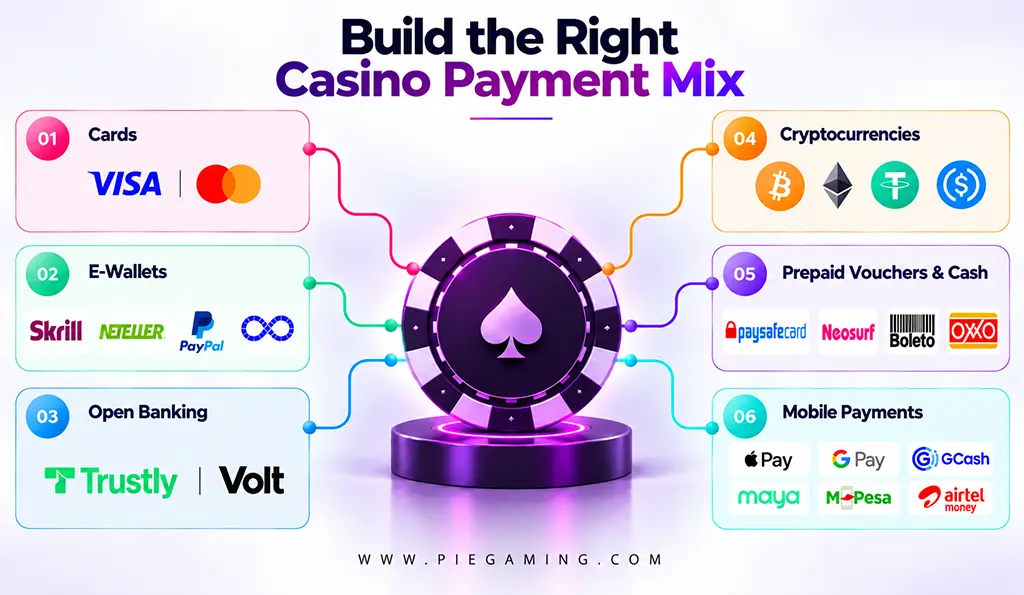
Variety kumarhane ödeme seçenekleri Ödeme yöntemleri kartlardan ve e-cüzdanlardan kripto paralara ve mobil paraya kadar çeşitlilik gösterir ve her biri hız, kullanılabilirlik, ücretler ve bölge açısından farklılık gösterir. İşte operatörlerin her biri hakkında bilmesi gerekenler.
1. Kredi ve Banka Kartları (Visa, Mastercard)
Visa ve Mastercard, lisanslı çevrimiçi kumarhanelerde yaygın olarak desteklenmektedir, ancak kabul edilme durumu yargı yetkisine, operatöre ve yerel kumar ödeme kurallarına bağlıdır. Bazı düzenlenmiş pazarlarda, kredi kartıyla kumar oynamak sınırlıdır veya hatta yasaktır. Kumar işlemleri ağ düzeyinde izin verilmez ve uygun banka kartı yine de reddedilebilir.
Kartla yapılan para yatırma işlemleri, onaylandıktan sonra genellikle saniyeler içinde hesaba geçer. Para çekme işlemleri ise, kartı veren kuruluşa, kart şemasına ve operatörün işlem sırasına bağlı olarak genellikle 3 ila 7 iş günü sürer. Reddedilme oranları önemli bir operasyonel zorluktur. Kart veren kuruluş düzeyindeki kumar kısıtlamaları ve kumarla ilgili MCC (Makine Kontrol Kodu), yeterli bakiyeye sahip geçerli kartlarda bile onay oranlarını etkileyebilir.
2. E-Cüzdanlar
E-cüzdanlar, oyuncunun bankası ile kumarhane arasında yer alır. Oyuncular banka hesaplarından veya kartlarından para yükleyerek, bankacılık bilgilerini doğrudan kumarhaneyle paylaşmadan para yatırırlar. Para yatırma işlemleri hızlıdır ve para çekme işlemleri genellikle kart ödemelerinden daha hızlıdır. Ücretler ve kullanılabilirlik sağlayıcıya, pazara ve operatöre göre değişir. Skrill, Neteller, PayPal ve MiFinity, iGaming'de en yaygın kullanılan seçeneklerdir.
3. Açık Bankacılık ve Anında Banka Transferleri
Açık bankacılık, oyuncuların kumarhane kasasında kart bilgilerini girmeden kendi bankacılık uygulamaları aracılığıyla para yatırma işlemlerini onaylamalarına olanak tanır. Oyuncu bankasını seçer, kimliğini doğrular ve ödemeyi onaylar. Hız, sağlayıcıya, bankaya ve yerel ödeme sistemine bağlıdır.
Kart ağlarını atladığı için, bir ihraççının MCC blokajına girmesi bir faktör değildir. Bununla birlikte, banka risk politikaları ve ödeme limitleri yine de gecikmelere neden olabilir. Başlıca sağlayıcılar arasında, İskandinav ülkeleri, İngiltere ve Kuzey Amerika dahil olmak üzere 30'dan fazla ülkeyi kapsayan Trustly ve geniş Avrupa kapsamına sahip olup Brezilya ve Avustralya'da da kullanılabilen Volt yer almaktadır.
4. Cryptocurrencies
Kripto ödemeleri, Bitcoin, Ethereum veya USDT ve USDC gibi istikrarlı kripto paralar aracılığıyla yapılan zincir üstü cüzdan transferlerine dayanır. Ödeme İşlemcisi Genellikle kripto dostu olan bu sistemlerde, operatörler uyumluluk, ödeme işlemleri ve ödemeler için blok zinciri izleme çözümleri kullanırlar. Farklı ağlar ve onay politikaları farklı ödeme hızlarına sahiptir.
USDT ve USDC, ABD dolarını takip edecek ve her ikisi de USD'ye göre daha az fiyat dalgalanmasına neden olacaktır; ancak ağda uygulanan ücret ve kumarhane döviz kuru politikası küçük bir farka yol açabilir. Onaylanmış transferlerle geleneksel kart geri ödeme riski ortadan kalkar; ancak dolandırıcılık, yaptırımlara maruz kalma ve kara para aklama ile mücadele uyumluluğu için uygulanması gereken kontroller mevcuttur.
5. Ön Ödemeli Kuponlar ve Nakit Bazlı Yöntemler
Paysafecard ve Neosurf, oyuncuların banka bilgilerine gerek kalmadan perakende mağazalarından satın alınan bir kod kullanarak para yatırmalarına olanak tanır. Boleto ve OXXO ise sırasıyla Brezilya ve Meksika'da kullanılan nakit tabanlı yerel ödeme yöntemleridir. Kuponla yapılan para yatırma işlemleri anında gerçekleşir ancak genellikle sadece para yatırma işlemidir; yani oyuncuların kazançlarını çekmek için banka havalesi veya e-cüzdan gibi ayrı bir para çekme yöntemine ihtiyaçları vardır.
6. Mobil Ödemeler
GCash ve Maya, Filipinler'de önemli ödeme sistemleridir. M-Pesa, Kenya ve Tanzanya'da yaygın olarak kullanılmaktadır. Airtel Money ise Tanzanya, Ruanda ve Zambiya'da faaliyet göstermektedir. Operatörler, tüm bölgeleri tek bir ödeme pazarı olarak ele almak yerine, lisanslı oldukları pazara dayalı yerel yöntemlere öncelik vermelidir.
Ödeme Yöntemi Karşılaştırması: Hız, Ücretler ve Risk
notMaliyetler ve hızlar gösterge niteliğindedir. Gerçek ücretler, ödeme hizmeti sağlayıcısı sözleşmesine, hacme, yetki alanına ve operatörün risk profiline göre değişiklik gösterir. Operatörler, izin verilen yöntemleri yerel hukuk müşavirleri ve lisanslı ödeme ortaklarıyla teyit etmelidir.
Kumarhaneler Ödeme Yöntemlerini Operatörler Nasıl Değerlendiriyor?
Operatörler ödeme yöntemlerini oyuncuların tanıdığı için seçmezler. Dönüşüm oranları, uyumlulukları ve ödemelerin öngörülebilir bir şekilde gerçekleşmesi nedeniyle seçerler. İşte bu değerlendirmenin gerçekte nasıl göründüğü.
Onay Oranı ve Reddetme Optimizasyonu
Onay oranı, başarıyla tamamlanan işlem girişimlerinin yüzdesini ölçer. Bu, para yatırma dönüşümünü ve geliri doğrudan etkileyen temel bir iGaming ödeme ölçütüdür.
Oyun sektöründe kart yetkilendirmesi, standart e-ticarete göre daha zordur. Kart veren kuruluşlar, kumar MCC kodlarına gelişmiş kontroller uygulayabilir ve kumar kısıtlamaları, dolandırıcılık kuralları, 3D Secure hataları veya bankanın iç politikası nedeniyle ödemeleri reddedebilir.
Operatörler, meşru retleri telafi etmek için iki yaklaşım kullanır:
- Ödeme kademelenmesi Uygun bir yumuşak red talebini, onaylanmış ikincil bir ödeme hizmeti sağlayıcısı (PSP) aracılığıyla yeniden dener. Sert redleri, dolandırıcılık engellemelerini veya yasaklı işlem yanıtlarını geçersiz kılmak için kullanılmamalıdır.
- Akıllı yönlendirme Her işlemi, coğrafi konum, kart BIN numarası, işlem değeri ve geçmiş yetkilendirme performansına göre en uygun ödeme hizmeti sağlayıcısına yönlendirir.
Ödeme düzenleme platformları, her iki süreci de otomatikleştirir ve birden fazla uyumlu işlem yolunun mevcut olduğu durumlarda onay oranlarını iyileştirebilir.
Pazara Göre Mevzuat Uyumluluğu
Düzenlemeye tabi piyasalarda ödeme yönteminin kullanılabilirliği sadece ticari bir karar değil, aynı zamanda yasal bir karardır.
Ödeme Para Birimi ve Döviz Riski
Oyuncular yerel para birimiyle işlem yaparken operatörün ödemeyi USD cinsinden gerçekleştirmesi durumunda döviz kuru riski ortaya çıkar. Risk, ödeme hizmeti sağlayıcısı (PSP) anlaşmalarına, dönüşüm zamanlamasına ve ödeme döngüsüne bağlıdır. USDT ve USDC ile ödeme, izin verilen pazarlarda yerel para birimi oynaklığı riskini azaltabilir, ancak dönüşüm spreadleri, ağ ücretleri ve uyumluluk maliyetleri yine de geçerlidir.
Çevrimiçi Casino İşlemlerinde Sık Karşılaşılan Ödeme Sorunları
Kumarhane ödemeleri, çoğu işletmecinin beklediğinden daha sık başarısız oluyor. Bunların bazıları düzeltilebilir, bazıları ise yapısal sorunlardır. İşte işletmecilerin karşı karşıya kaldığı sorunlar ve bunlarla nasıl başa çıkılacağı.
KYC Doğrulama Gecikmeleri
KYC (Müşteri Kimlik Doğrulama) genellikle kayıt veya para yatırma sırasında değil, para çekme sırasında tetiklenir. Oyuncular hesaplarına para yatırabilir, haftalarca oynayabilir ve ancak para çekmeye çalıştıklarında belge göndermeleri gerektiğini keşfedebilirler.
Daha büyük para çekme işlemleri, standart KYC'ye ek olarak gelişmiş fon kaynağı kontrollerini de beraberinde getiriyor ve oyuncuların paralarının nereden geldiğini açıklamalarını gerektiriyor. Bu, isteğe bağlı bir adım değil, yasal bir gerekliliktir. Oyuncuları ilk para çekme işleminden önce doğrulamayı tamamlamaya teşvik etmek, bu gecikmeyi bir sorun haline gelmeden önce ortadan kaldırır.
Yavaş Para Çekme İşlem Süreleri
Çekme hızı yönteme göre değişir: e-cüzdan ödemesi İşlemler birkaç saat içinde tamamlanabilir, açık bankacılık işlemleri anında veya aynı gün içinde gerçekleşebilir, kart işlemleri 3 ila 5 iş günü sürer ve havale işlemleri sınır ötesi veya hafta sonları daha uzun sürebilir. Çoğu kumarhane ayrıca, yöntemin kendi işlem süresine ek olarak dahili bir bekleme süresi de uygular.
Bu, teknik bir gecikme değil, sorumlu kumar kontrolü ve dolandırıcılığı önleme önlemi olarak mevcuttur. Aynı gün e-cüzdan çekimi bekleyen oyuncular, paranın gerçekten geçmesi için 24 ila 48 saat bekleyebilirler. Çekim talebi sırasında net beklentiler belirlemek, şikayetleri önemli ölçüde azaltır.
Bonus Bahis Kısıtlamaları
Bonus kazançlarının çekilebilmesi için bahis şartlarının tamamen yerine getirilmesi gerekmektedir. Aktif bir bonus sırasında para çekme girişiminde bulunmak genellikle bonusun iptaline veya kaybedilmesine yol açar. Şartlar açıklanmıştır. bonus sistemi Şartlar genellikle onay aşamasında görünür ancak çoğu anlaşmazlık da buradan kaynaklanır.
Ödeme Yöntemi Sınırlamaları
Ön ödemeli kuponlar yalnızca para yatırma amaçlıdır ve kupon üzerinden geri para çekme imkanı sunmaz. Bazı casinolar, para çekme işlemlerinin orijinal para yatırma yöntemine geri yapılmasını gerektirir; bu da söz konusu yöntem giden ödemeleri desteklemediğinde sorun yaratır. Farklı bir para çekme yöntemine geçilmesi, ödemenin işlenmesinden önce ek bir KYC (Müşterinizi Tanıyın) incelemesini tetikler.
Para Çekme Limitleri ve Kısıtlamalar
Çoğu platform günlük, haftalık veya aylık para çekme limitleri uygular. Büyük kazançları olan oyuncular, tek seferlik ödeme yerine taksitler halinde para alabilirler. Bu limitler genellikle para yatırma veya bonus sürecinde değil, şartların bankacılık bölümünde gizlenmiştir. Bazı casinolar VIP veya doğrulanmış yüksek bahisli hesaplar için daha yüksek limitler sunar, ancak bunlara erişim süreci her zaman açıkça belirtilmez.
Bölgesel Ödeme Tercihleri — Hangi Ödeme Yöntemi Nerede Geçerlidir?
Bölgesel Ödeme Tercihleri
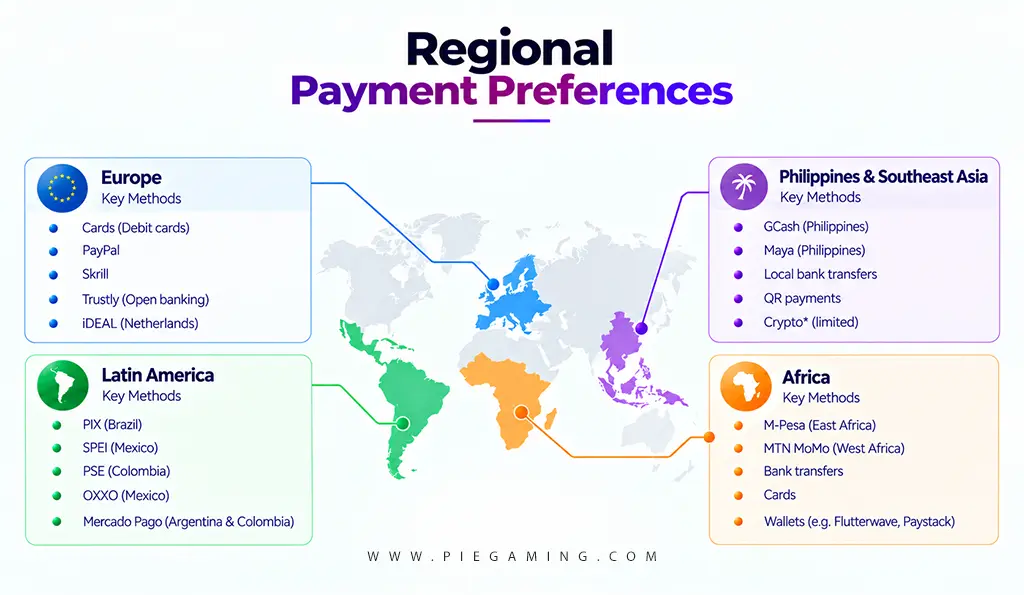
Ödeme tercihleri ülkeden ülkeye büyük farklılıklar göstermektedir. Yerel yöntemleri ve uyumlu KYC süreçlerini desteklemeyen bir ödeme sistemi, ürün ve müşteri edinme stratejisi güçlü olsa bile, mevduat dönüşüm oranını önemli ölçüde düşürebilir.
Avrupa
Banka kartları yaygın olarak kullanılmaktadır, ancak bazı pazarlarda yerel hesaplar arası ödeme yöntemleri büyük önem taşımaktadır. Büyük Britanya'da, lisanslı operatörler kumar için kredi kartı kabul edemezler. Bu yasak, sınırlı piyango istisnaları dışında, çevrimiçi bahis, kumarhane ve bingo oyunlarını kapsamaktadır.
PayPalSkrill ve Neteller, pazar bazında önemleri değişmekle birlikte, tanınmış e-cüzdan seçenekleridir. Açık bankacılık, bölge genelinde giderek daha önemli hale geliyor. Trustly 30'dan fazla ülkeyi kapsıyor. iDEAL, Hollanda'daki çevrimiçi ödemelerin yaklaşık %70'ini karşılıyor ve Hollanda'da standart yöntem olarak kabul ediliyor.
Almanya önemli bir uyumluluk katmanı ekliyor. LUGAS aracılığıyla tüm Alman lisanslı sağlayıcılar için geçerli olan aylık 1,000 €'luk para yatırma limiti, platform başına değil, oyuncu başına uygulanmaktadır. Daha yüksek limitler yalnızca sıkı düzenleyici koşullar altında mümkündür.
Filipinler ve Güneydoğu Asya
GCash çevrimiçi kumarhanesi Filipinler'de 94 milyon kullanıcıyla lider konumda. Maya, aynı pazarda bir diğer önemli cüzdan ve dijital bankacılık platformu. Güneydoğu Asya'da ödeme davranışı oldukça parçalı. Ülkeye bağlı olarak, yerel cüzdanlar, yerel banka transferleri ve QR ödeme sistemleri, uluslararası kart sistemlerinden daha önemli olabiliyor. Kripto paralar bazı offshore ekosistemlerde ortaya çıkabilir, ancak düzenlenmiş pazarlarda yasal olarak mevcut olduğu varsayılmamalıdır.
Latin Amerika
Brezilya'da kısıtlı bir ödeme sistemi uygulanmaktadır. PIX, 7/24 neredeyse anlık transferleri destekler ve izin verilen temel yöntemlerden biridir, ancak tek yöntem değildir. TED transferleri, banka ve ön ödemeli kartlar ve belirli aynı kurum içi transferler de izinlidir. Kredi kartları, kripto para birimleri, nakit ve boleto kuponları, düzenlenmiş bahislerde yasaktır.
Meksika'da SPEI, standart bankalararası para transferi platformudur ve OXXO, banka hesabı olmayan oyunculara nakit ödemeler yoluyla hizmet vermektedir. Kolombiya'da PSE, Efecty ve Baloto gibi kart ve nakit seçeneklerinin yanı sıra yaygın olarak kullanılan banka transferi yöntemidir. Mercado Pago, Arjantin ve Kolombiya genelinde önemli bir dijital cüzdandır, ancak rolü ülkeye göre değişmektedir.
Afrika
Doğu Afrika ve Batı Afrika'nın bazı bölgelerinde mobil para transferi kritik öneme sahipken, diğer bölgelerde kartlar, banka havaleleri ve anlık EFT'ler önemini koruyor. Kenya ve Tanzanya'da M-Pesa lider konumda. MTN MoMo, Gana ve diğer bazı MTN pazarlarında önemli. Nijerya'da banka havaleleri, kartlar, USSD ve dijital cüzdanlar gibi çeşitli ödeme yöntemleri bulunuyor; Flutterwave ve Paystack ise yerel ödeme kanallarını destekliyor. Güney Afrika'da ise kartlar, anlık EFT için Ozow ve banka bağlantılı yöntemler standart seçenekler arasında yer alıyor.
Bölgesel Genel Bakış
PieGaming Ödeme sisteminiz zaten entegre edilmiş olarak gelir.
PieGaming'S beyaz etiketli casino yazılımı Ödeme entegrasyonu zaten kurulu olarak gelir. Operatörler, sıfırdan oluşturmanın maliyeti ve gecikmesi olmadan, uyumlu, çok pazarlı bir ödeme sistemiyle faaliyete başlarlar.
Kutu içeriği şunları içerir:
- Yerel ödeme yöntemleri: UPI, PIX, GCash, M-Pesa ve daha fazlası; Asya, Latin Amerika ve Afrika'daki önemli pazarları kapsıyor.
- Küresel kart ve e-cüzdan desteği: Visa, Mastercard, PayPal, Skrill, Neteller ve diğer yaygın olarak kullanılan ödeme yöntemleri.
- Kripto para ve stablecoin desteği: Kripto para dostu pazarları hedefleyen operatörler için Bitcoin, Ethereum, USDT ve USDC.
Toplanıyor…
Oyuncular hızlı para yatırma, sorunsuz para çekme ve güvendikleri bir yöntem istiyor. Operatörlerin ise yerel kapsama alanı, yüksek yetkilendirme oranları ve uyumlu bir ödeme akışına ihtiyacı var.
Hedef pazarlarınız için en iyi çevrimiçi kumarhane ödeme yöntemlerini seçmek ve bu denklemin her iki tarafında da sonuç veren bir sistem oluşturmak, oyuncuları elde tutan platformları, ödeme aşamasında oyuncularını kaybeden platformlardan ayıran şeydir.

İletişim
SSS
-
Kumarhane platformları birden fazla çevrimiçi kumarhane ödeme yöntemini destekliyor mu?
Evet. Çoğu modern kumarhane platformu, API'ler veya ödeme hizmeti sağlayıcıları aracılığıyla kartlar, e-cüzdanlar, banka transferleri, yerel ödeme sistemleri, mobil para ve bazı durumlarda uyumlu kripto para birimleri de dahil olmak üzere birden fazla ödeme yöntemini entegre eder.
-
Kumarhaneler için hangi ödeme yöntemlerinde iade riski en düşüktür?
Banka havaleleri, açık bankacılık ödemeleri, anlık hesaplar arası transferler ve doğrulanmış e-cüzdanlar genellikle kart ödemelerine göre daha düşük ters ibraz riski taşır. Yöntem ne olursa olsun, dolandırıcılık izleme, KYC kontrolleri ve işlem incelemesi her zaman önemlidir.
-
Bir çevrimiçi kumarhane lansman sırasında kaç ödeme yöntemi sunmalıdır?
Yerel talebi karşılayacak kadar. Bu genellikle kredi kartları, bir veya iki yaygın kullanılan dijital cüzdan, banka havalesi seçeneği ve her hedef pazardaki baskın yerel ödeme sistemini içerir. Hacimden ziyade güvenilirliğe, para çekme desteğine ve mevzuat uyumluluğuna öncelik verin.
-
Yasal düzenlemeye tabi çevrimiçi oyun pazarlarında ödeme yöntemi tercihleri nasıl farklılık gösteriyor?
Bankacılık erişimi, yerel altyapı, düzenlemeler ve oyuncu alışkanlıkları açısından farklılık gösterirler. İngiltere'deki oyuncular banka kartlarına ve e-cüzdanlara yönelirken, Hollanda'daki oyuncular iDEAL kullanıyor. Brezilya'daki oyuncular ağırlıklı olarak PIX üzerinden işlem yapıyor. Kenya'daki oyuncular ise M-Pesa'ya güveniyor. Her yerde aynı yöntem işe yaramaz.
-
Yerel ödeme yöntemlerinin çevrimiçi kumarhane pazarının genişlemesinde ne gibi bir rolü var?
Yerel yöntemler, para yatırma işlemlerindeki sürtünmeyi azaltır, dönüşüm oranını iyileştirir, yerel para birimlerini destekler ve uluslararası kartlara veya e-cüzdanlara erişimi olmayan oyunculara ulaşır. Ayrıca, operatörlerin ülkeye özgü uyumluluk ve oyuncu koruma gereksinimlerini karşılamalarına yardımcı olurlar; bu da piyasalar giderek daha fazla düzenlemeye tabi hale geldikçe daha da önem kazanır.

Palak Madan, 2024 yılından beri iGaming sektörü hakkında yazılar yazmaktadır. Çevrimiçi bir kumarhane kurarken operatörlerin ve kurucuların seçeneklerini anlamalarına yardımcı olmaya odaklanmaktadır; doğru yazılım sağlayıcısını seçmekten, farklı pazarlardaki maliyetleri ve uyumluluk gereksinimlerini belirlemeye kadar. PieGamingKendisi, beyaz etiketli kumarhane çözümleri, platform seçimi ve pazara giriş gibi konuları ele alarak, karmaşık sektör bilgilerini iGaming işletmeleri kuran kişiler için pratik bir rehbere dönüştürüyor. Ayrıca, lisanslama ve düzenleyici değişiklikleri, özellikle de yeni kuralların operatörlerin farklı yargı bölgelerine giriş ve büyüme biçimlerini nasıl şekillendirdiğini yakından takip ediyor.

Casino influencer pazarlaması, lisanslı casino web siteleri ile YouTube, Kickstarter, Twitch, TikTok ve Telegram gibi platformlardaki influencer'lar arasında yapılan iş birliğini içerir. Bu influencer'lar, takip edilen bağlantılar ve promosyon kodları aracılığıyla casino oyunlarını paylaşırlar. İçerik oluşturuculara sabit ücret, CPA, gelir paylaşımı veya hibrit ödeme yapılır ve ödemeler FTD, NGR ve müşteri sadakati sonuçlarına göre yapılır. Kampanyaların yerel reklamcılık, açıklama ve 18+ kurallarına uyması gerekmektedir.

Bu blog, iGaming işini büyütmek için en iyi spor bahisleri iştiraklerini bulmanın ve onlarla ortaklık kurmanın yollarını ve platformlarını araştırıyor.

Bu blog, iGaming iştirak pazarlama yazılımının akıllı izleme, otomasyon, dolandırıcılık önleme ve daha iyi kampanya kontrolü yoluyla operatörlerin gelirlerini nasıl artırmalarına yardımcı olduğunu açıklıyor.

İş ortaklığı yazılımları, iGaming sektöründe ortaklıkları yönetmek ve performansı takip etmek için çok önemlidir. Bu kılavuz, operatörlerin verimli bir iş ortaklığı pazarlama programı yürütmek için kullanabileceği birçok iGaming iş ortaklığı yazılım sağlayıcısı ve özelliklerine genel bir bakış sunmaktadır.
Bu yazıda Filipinler'de GCash'i destekleyen en iyi çevrimiçi casinolardan, ayrıca sundukları oyun çeşitliliğinden, bonuslardan ve müşteri desteğinden bahsediliyor.
iGaming ödeme çözümleri için önde gelen ödeme uygulaması sağlayıcıları, yüksek işlem hacmi, sağlam uyumluluk çerçeveleri ve oyuncular için hızlı ödemeler konusunda oldukça donanımlıdır. Doğru sağlayıcıyı seçmek, yüksek yetkilendirme oranları, dolandırıcılık önleme ve internet bahis platformunuz için sorunsuz entegrasyonun anahtarıdır.

Bir kumarhane ortaklık programı, ortakların kumarhane markalarını tanıttığı ve nitelikli oyuncu edinimi karşılığında komisyon kazandığı performansa dayalı bir pazarlama modelidir. Bu kılavuz, kumarhane ortaklık programlarının nasıl çalıştığını açıklar, komisyon modellerini inceler, temel performans ölçütlerini vurgular ve karlı bir edinim kanalı oluşturma ve ölçeklendirme stratejilerini ele alır.

Yakında gelen kutunuzda görüşürüz!

Oyunun ilerisinde kalın. Ayrıcalıklı abone olun
içerik, güncellemeler ve içerdekiler!